Bible Verses About Children’s Innocence: Discovering Their Value
Explore Bible verses about children's innocence and learn their significance in our faith and lives.

Key Takeaways
- Children's innocence is valued in Scripture.
- Jesus emphasizes the importance of childlike faith.
- Parents are called to nurture and protect their children.
- Understanding innocence can deepen our faith journey.
Understanding Children’s Innocence in the Bible
Children hold a special place in the hearts of many, and Scripture reflects this beautiful truth. The Bible teaches us about the innocence of children, highlighting their unique relationship with God. Understanding what the Bible says about children’s innocence not only enriches our own faith but also encourages us to nurture and protect the innocence of the next generation.
From the very beginning, children are seen as a gift from God. Psalm 127:3 tells us, “Children are a heritage from the Lord, offspring a reward from him.” This verse emphasizes the preciousness of children and the divine blessing they represent in our lives. As we explore various passages, we will uncover the significance of their innocence and how it can impact our spiritual journey.
In this article, we will look at specific Bible verses that highlight children’s innocence, delve into the implications of these teachings, and offer practical insights for parents and caregivers on how to foster an environment that cherishes this innocence.
Key Bible Verses About Children’s Innocence
Several passages in the Bible speak directly to the innocence of children. These verses not only remind us of their purity but also challenge us to reflect on our own faith. Here are some key verses to consider:
- Matthew 18:3: “And he said: ‘Truly I tell you, unless you change and become like little children, you will never enter the kingdom of heaven.'” This verse emphasizes the importance of childlike faith and innocence as essential for entering the kingdom of God.
- Mark 10:14: “When Jesus saw this, he was indignant. He said to them, ‘Let the little children come to me and do not hinder them, for the kingdom of God belongs to such as these.'” Here, Jesus shows his love for children and highlights their value in God’s kingdom.
- Proverbs 22:6: “Start children off on the way they should go, and even when they are old they will not turn from it.” This verse underscores the responsibility of parents to guide their children in faith.
- Luke 18:16: “But Jesus called the children to him and said, ‘Let the little children come to me, and do not hinder them, for to such belongs the kingdom of God.'” Again, Jesus affirms the special status of children in His eyes.
The Importance of Childlike Faith
In examining these verses, we see that Jesus often compares the faith of adults to that of children. This comparison is not merely about innocence; it speaks to the qualities of faith that adults often lose as they mature. Childlike faith is characterized by trust, openness, and a sense of wonder, traits that should be cultivated in all believers.
For instance, a child approaches their parent with full confidence, believing that their needs will be met. Similarly, Jesus calls us to approach God with that same trust. This is beautifully illustrated in the story of a young boy who, despite facing challenges at home, would pray each night with the simple belief that God was listening and would provide. His unwavering trust serves as a reminder to adults of the faith we should strive to embody.
Moreover, the innocence of children serves as a model for humility. Matthew 18:4 challenges us to “humble ourselves like children” to experience the fullness of God’s kingdom. In a world often filled with pride and self-sufficiency, the simplicity of a child’s faith can challenge us to let go of our complexities and return to a more foundational trust in God.

Nurturing Innocence in Children
As believers, we are called to nurture the innocence of our children. This task is not only critical for their spiritual development but also for their emotional and psychological well-being. Here are some practical ways to cultivate an environment that fosters this innocence:
- Modeling Faith: Children learn by example. By demonstrating a consistent prayer life, engaging in worship, and discussing faith openly, we provide a solid foundation for their understanding of God.
- Creating Safe Spaces: Ensure that children feel safe to express their thoughts and feelings. Encourage them to ask questions about faith without fear of judgment. This openness allows them to explore their beliefs authentically.
- Teaching Scripture: Regularly share Bible stories that highlight themes of innocence, love, and the character of God. Stories like David and Goliath or Jesus calming the storm can inspire faith and courage.
Protecting Innocence from Harm
In our contemporary world, children are often exposed to negative influences that can tarnish their innocence. It is crucial for parents and caregivers to actively protect them from harmful media, peer pressure, and negative societal messages. Being aware of what they watch, read, and engage with is essential.
Furthermore, discussing difficult topics with children in age-appropriate ways can help them navigate the complexities of the world while maintaining their innocence. For example, when a child hears about a sad event in the news, it can be beneficial to talk about it openly, addressing their feelings and reinforcing that God is always present, even in difficult times.
Additionally, surrounding children with positive role models, family members, teachers, and church leaders, can significantly impact their understanding of faith and innocence. These relationships can provide support and guidance as they grow.
The Role of the Church in Supporting Families
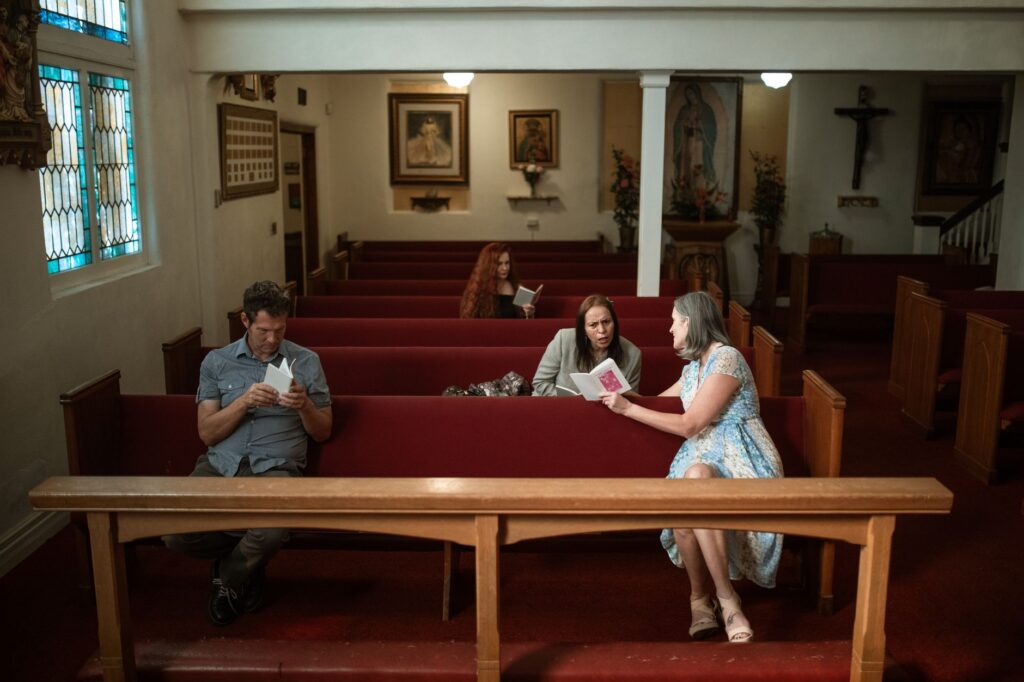
The church plays a vital role in upholding the innocence of children. By providing a nurturing environment, churches can help families foster spiritual growth in their children. Here are some ways the church can support families:
- Sunday School Programs: Structured programs designed specifically for children can teach biblical principles while allowing them to build friendships with peers who share their faith.
- Family Engagement: Encouraging family involvement in church activities helps children see faith as a communal experience. Whether it’s through service projects, family nights, or church outings, these moments strengthen bonds and create lasting memories.
- Parenting Workshops: Offering resources and training for parents can equip them with tools to raise children in faith. Topics might include effective communication, discipline, and spiritual guidance.
Community Support and Accountability
Moreover, being part of a church community provides accountability for parents and caregivers. When families share their struggles and triumphs, they can support one another in their journeys. This communal aspect reinforces the idea that raising children in faith is a collective responsibility.
For instance, a church may establish small groups for parents to share their experiences and challenges. In these settings, parents can offer encouragement to one another, share resources, and pray for their children together. The support of a community makes the journey of parenting less daunting and more enriching.
In this way, the church becomes a sanctuary, a place where families can thrive in faith and support one another through the challenges of raising children in a complex world.
Challenges to Innocence in Modern Society
Despite our best efforts, many external factors can challenge the innocence of children today. Media influences, societal expectations, and peer pressure are just a few examples. Understanding these challenges is key to countering them effectively.
- Media Exposure: Children are exposed to a vast array of media from a young age. It is imperative that parents monitor their children’s media consumption and engage in discussions about the content.
- Peer Influence: As children grow, they become more susceptible to peer pressure. Teaching them to stand firm in their beliefs requires ongoing conversations about values and integrity.
- Academic Pressures: The pressure to perform academically can lead to stress and anxiety, which may detract from a child’s innocence. Encouraging a balanced approach to education that values effort over perfection can help alleviate this pressure.
Equipping Children to Face Challenges
Equipping children with the tools to navigate these challenges is essential. Teaching them critical thinking skills, encouraging them to ask questions, and fostering open communication can empower them to make wise decisions, even when faced with pressure.
For instance, when a child encounters a difficult situation at school, such as a friend encouraging them to engage in something harmful, a parent can guide them through the decision-making process. This support can help the child develop discernment, allowing them to maintain their innocence while navigating the complexities of life.
Ultimately, the goal is to help children embrace their innocence while becoming resilient individuals who can stand firm in their faith amid challenges. This balance is crucial for their spiritual and emotional growth.
The Importance of Teaching Children About God’s Love
Understanding God’s Love Through Simple Lessons
One of the most profound ways to instill a sense of innocence and value in children is by teaching them about God’s love. Children are naturally curious and receptive, making them ideal candidates for learning about the unconditional love that God offers. Jesus himself emphasized this in Matthew 19:14, where He said, “Let the little children come to me, and do not hinder them, for to such belongs the kingdom of heaven.” This verse highlights that children have a unique relationship with God, and understanding His love forms the foundation of their spiritual innocence.
To teach about God’s love effectively, parents and educators can use simple, relatable stories from the Bible. For instance, the story of Jesus feeding the 5,000 (John 6:1-14) showcases God’s provision and care. By discussing these stories, children can grasp the concept of love through real-life applications. Here are some methods for teaching children about God’s love:
- Use age-appropriate Bible stories.
- Incorporate songs and crafts that reflect God’s love.
- Encourage discussions about feelings and how God cares for us.
Creating a Safe Environment for Spiritual Growth
Children thrive in environments that foster safety and love. This safety is not only physical but also emotional and spiritual. In Proverbs 22:6, it states, “Train up a child in the way he should go; even when he is old he will not depart from it.” This verse emphasizes the importance of creating a nurturing environment where children can learn about God’s love without fear or judgment.
To create such an environment, parents should be mindful of their own behavior and attitudes. Children learn by example, so demonstrating love, patience, and kindness is crucial. Additionally, open communication about faith, doubts, and questions allows children to explore their beliefs freely. Some practical steps to foster a safe environment include:
- Establishing regular family devotionals.
- Encouraging open discussions about faith and feelings.
- Creating a supportive community through church involvement.

The Impact of Parental Guidance on Children’s Innocence
Modeling Christ-like Behavior
Parents play a pivotal role in shaping their children’s worldview and moral compass. Ephesians 6:4 reminds parents, “Fathers, do not provoke your children to anger, but bring them up in the discipline and instruction of the Lord.” This responsibility entails actively modeling Christ-like behavior, which includes demonstrating love, forgiveness, and humility.
When parents embody these qualities, children are more likely to emulate them. Acts of kindness, such as helping others or showing gratitude, can be simple yet powerful lessons. Parents can also discuss how Jesus treated others, which helps children relate to the concept of innocence and purity in their interactions. Here are ways parents can model Christ-like behavior:
- Engage in community service as a family.
- Practice forgiveness and discuss its significance.
- Share personal stories of faith and reliance on God.
Setting Boundaries that Reflect God’s Teachings
While love is crucial, boundaries are equally important for children’s development. Proverbs 13:24 states, “Whoever spares the rod hates his son, but he who loves him is diligent to discipline him.” This verse signifies that discipline, when applied appropriately, is an act of love that helps children understand the consequences of their actions.
Establishing boundaries allows children to feel secure and understand acceptable behaviors. Parents should communicate the reasons behind these boundaries, linking them to biblical teachings. By doing so, children learn that discipline is not punitive but rather a form of guidance rooted in love. Effective boundary-setting can include:
- Clearly defined rules that align with biblical values.
- Consistent consequences for actions.
- Open conversations about why certain behaviors are encouraged or discouraged.
Encouraging Awe and Wonder in God’s Creation
Teaching Children to Appreciate Nature
Instilling a sense of awe for God’s creation is essential for nurturing a child’s innocence. Psalm 104:24-25 proclaims, “O Lord, how manifold are your works! In wisdom have you made them all; the earth is full of your creatures.” Nature can be a powerful tool for teaching children about the Creator’s love and majesty.
Exploring the outdoors, observing animals, and appreciating the beauty of the world can help children connect with God on a deeper level. Nature walks, gardening, or simply observing the stars can ignite a sense of wonder and respect for God’s handiwork. Here are some activities to encourage appreciation for nature:
- Take regular family nature walks and discuss God’s creations.
- Start a family garden to nurture growth together.
- Encourage journaling about experiences in nature.
Incorporating Arts and Crafts to Explore Spiritual Themes
Artistic expression can serve as a meaningful way for children to explore their faith. Colossians 3:23 encourages, “Whatever you do, work heartily, as for the Lord and not for men.” By incorporating art into spiritual lessons, children can express their understanding of God’s love and the beauty of innocence.
Craft projects can revolve around biblical stories, creation themes, or personal prayers. Activities such as painting, drawing, or creating sculptures allow children to visualize their faith, making it more tangible. Here are some creative ideas to incorporate arts into spiritual lessons:
- Crafting illustrations of favorite Bible stories.
- Creating nature-inspired art and discussing God’s creation.
- Engaging in collaborative art projects that reflect family values.
Frequently Asked Questions
What does the Bible say about the innocence of children?
The Bible speaks highly of children’s innocence, emphasizing their value in God’s kingdom. Verses like Matthew 18:3 remind us of the importance of childlike faith.
How can I protect my child’s innocence?
Protecting your child’s innocence involves monitoring their media exposure, fostering open communication, and surrounding them with positive influences and role models.
Why is childlike faith important?
Childlike faith is essential because it embodies trust, humility, and wonder. Jesus encourages us to adopt these qualities to experience the fullness of God’s kingdom (Matthew 18:4).
How can the church support families in nurturing children’s innocence?
The church can support families by offering programs for children, engaging parents, and providing resources and workshops that equip them to raise children in faith.
The Bottom Line
Children’s innocence is a precious gift from God, and the Bible offers profound insights into its significance. By understanding and nurturing this innocence, we can help children grow in their faith, allowing them to flourish in a world that often challenges their purity. As adults, we are called to model childlike faith, protect the innocence of the next generation, and engage in community support to encourage one another in this vital journey.
Keep reading
More Relationships →

Bible Verse About Mistreating A Child: Understanding God’s Heart


Weekly encouragement
Grow in the Word, one email at a time.
Free Bible study guides, prayer help and a verse to carry through your week. No spam, unsubscribe anytime.
Join the conversation