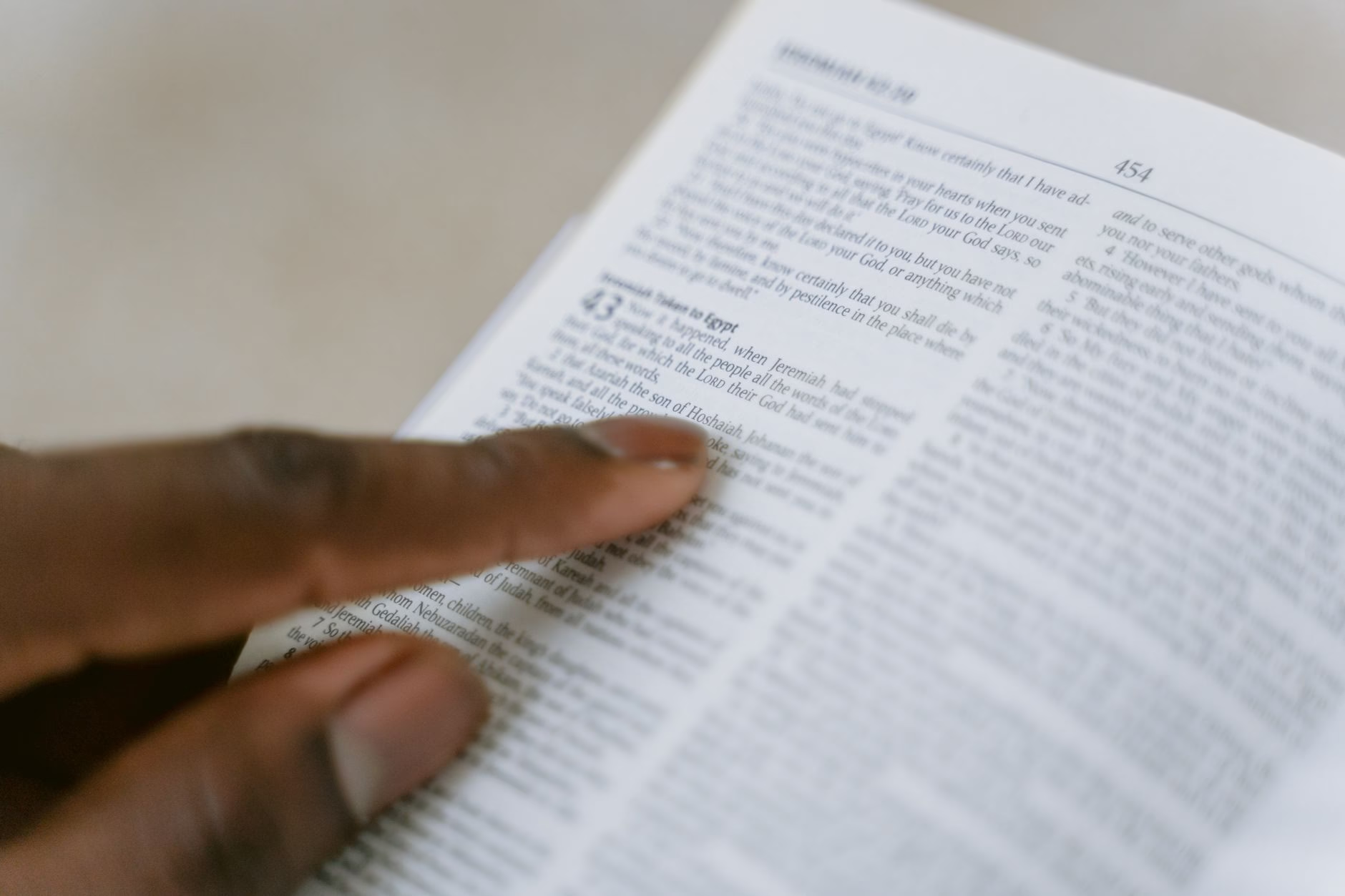
Conflict is an inevitable part of any relationship, and friendships are no exception. Understanding how to navigate these conflicts according to biblical principles can not only strengthen our interpersonal connections but also deepen our spiritual lives. The Scriptures provide a rich resource for guidance, offering wisdom that can help us approach conflicts with grace and love. In this post, we will explore various aspects of resolving conflict in friendships through the lens of Scripture.
Recognize the Importance of Peace
Before delving into conflict resolution, it is vital to recognize the importance that the Bible places on living in peace. In Romans 12:18, it is written, “If it is possible, as far as it depends on you, live at peace with everyone.” This verse emphasizes personal responsibility in fostering peace. When you find yourself in conflict with a friend, consider your role in the situation. Are there steps you can take to promote reconciliation? This sense of accountability is not only wise but demonstrates the heart of a peacemaker, which is a characteristic praised in Matthew 5:9: “Blessed are the peacemakers, for they will be called children of God.”
Address Conflict Early
In any relationship, unresolved issues can fester and transform minor disagreements into major conflicts. The Bible encourages us to address issues head-on before they escalate. In Matthew 18:15, Jesus instructs, “If your brother or sister sins, go and point out their fault, just between the two of you. If they listen to you, you have won them over.” This proactive approach is crucial; it creates an opportunity for understanding and reconciliation to occur before grievances multiply. Being honest with your friend, while maintaining a spirit of love, is the best way to begin the healing process.
Communicate with Love
Effective communication is crucial in resolving conflicts. Ephesians 4:15 reminds us, “Instead, speaking the truth in love, we will grow to become in every respect the mature body of him who is the head, that is, Christ.” Speaking the truth is essential, but without love, the message can become harsh and critical. Approach your friend with a spirit of grace, aiming to express your feelings without accusation. Use “I” statements to communicate your feelings genuinely, such as “I felt hurt when…” This method helps to prevent placing blame while fostering an atmosphere of mutual understanding.
Related Posts:




Seek to Understand Before Being Understood
In conflict, it is easy to focus on your perspective and intentions. However, James 1:19 reminds us to be “quick to listen, slow to speak, and slow to become angry.” Taking the time to listen actively to your friend can go a long way in fostering understanding. Ask questions and clarify their feelings and viewpoints. Often, simply feeling heard can diffuse tension and pave the way for resolution. Emulating this behavior nurtures deeper connections and reaffirms the value of the friendship.
Practice Forgiveness
Forgiveness is a cornerstone of the Christian faith and essential in resolving conflicts. Ephesians 4:32 urges us to “Be kind and compassionate to one another, forgiving each other, just as in Christ God forgave you.” When conflicts arise, holding onto resentment can lead to bitterness, which further strains the friendship. Forgiveness is not about condoning wrongdoing; it is about freeing yourself from the burden of anger. Allow God to work in your heart as you choose to forgive: this act can lead to healing and restoration in the relationship.
Set Boundaries Wisely
While pursuing reconciliation is essential, there are times when setting healthy boundaries is necessary to protect yourself and maintain the integrity of the relationship. Galatians 6:5 says, “For each will have to bear his own load.” This verse reminds us that we are responsible for our own emotional well-being and that there may be times when it is prudent to distance ourselves from toxic behaviors. In doing so, we can protect our hearts while still maintaining a spirit of grace toward the other person.
Pray for Guidance
In times of conflict, prayer is a powerful tool. Philippians 4:6-7 encourages us, “Do not be anxious about anything, but in every situation, by prayer and petition, with thanksgiving, present your requests to God. And the peace of God, which transcends all understanding, will guard your hearts and your minds in Christ Jesus.” When we bring our conflicts and feelings before the Lord, He can give us wisdom and peace. Seek His guidance in how to approach your friend and in how to conduct your heart throughout the process.
Embrace God’s Perspective on Relationships
Understanding how God views relationships can also guide us during conflict. God desires for His children to live in harmony, as expressed in 1 John 4:20-21, which states, “Whoever claims to love God yet hates a brother or sister is a liar. For whoever does not love their brother and sister, whom they have seen, cannot love God, whom they have not seen. And He has given us this command: Anyone who loves God must also love their brother and sister.” This admonition urges us to evaluate our feelings towards our friends genuinely. Are our actions and words aligned with a posture of love? This reflection helps guide us back to the heart of Christian friendship.
Focus on Restoration
Ultimately, the goal in resolving conflicts should be restoration rather than mere resolution. God is interested in repairing relationships. Colossians 3:13-14 states, “Bear with each other and forgive one another if any of you has a grievance against someone. Forgive as the Lord forgave you. And over all these virtues put on love, which binds them all together in perfect unity.” This call to action emphasizes more than just soothing the storm; it encourages us to work toward a renewed relationship characterized by love. When both parties are willing to seek restoration, the friendship can emerge stronger than before.
Growing Through Conflict
Finally, remember that conflict is not merely an obstacle but can also be an opportunity for growth. Proverbs 27:17 tells us, “As iron sharpens iron, so one person sharpens another.” Friendships that endure challenges can result in deeper trust and understanding. Embrace the growth mindset during conflicts, recognizing that each struggle is a chance to learn about yourself, your friend, and your relationship. As we follow these biblical principles and lean into God’s wisdom, we can navigate conflicts in friendships with courage and faith, glorifying Him through our actions.
In conclusion, conflict in friendships is a reality of life, but how we respond can bring honor to God and strengthen our bonds with each other. By seeking peace, communicating in love, practicing forgiveness, setting healthy boundaries, praying for wisdom, and focusing on restoration, these difficulties can lead to greater growth. Let us embrace the divine guidance found in Scripture as we handle conflict within our friendships, reflecting Christ’s love in all that we do.