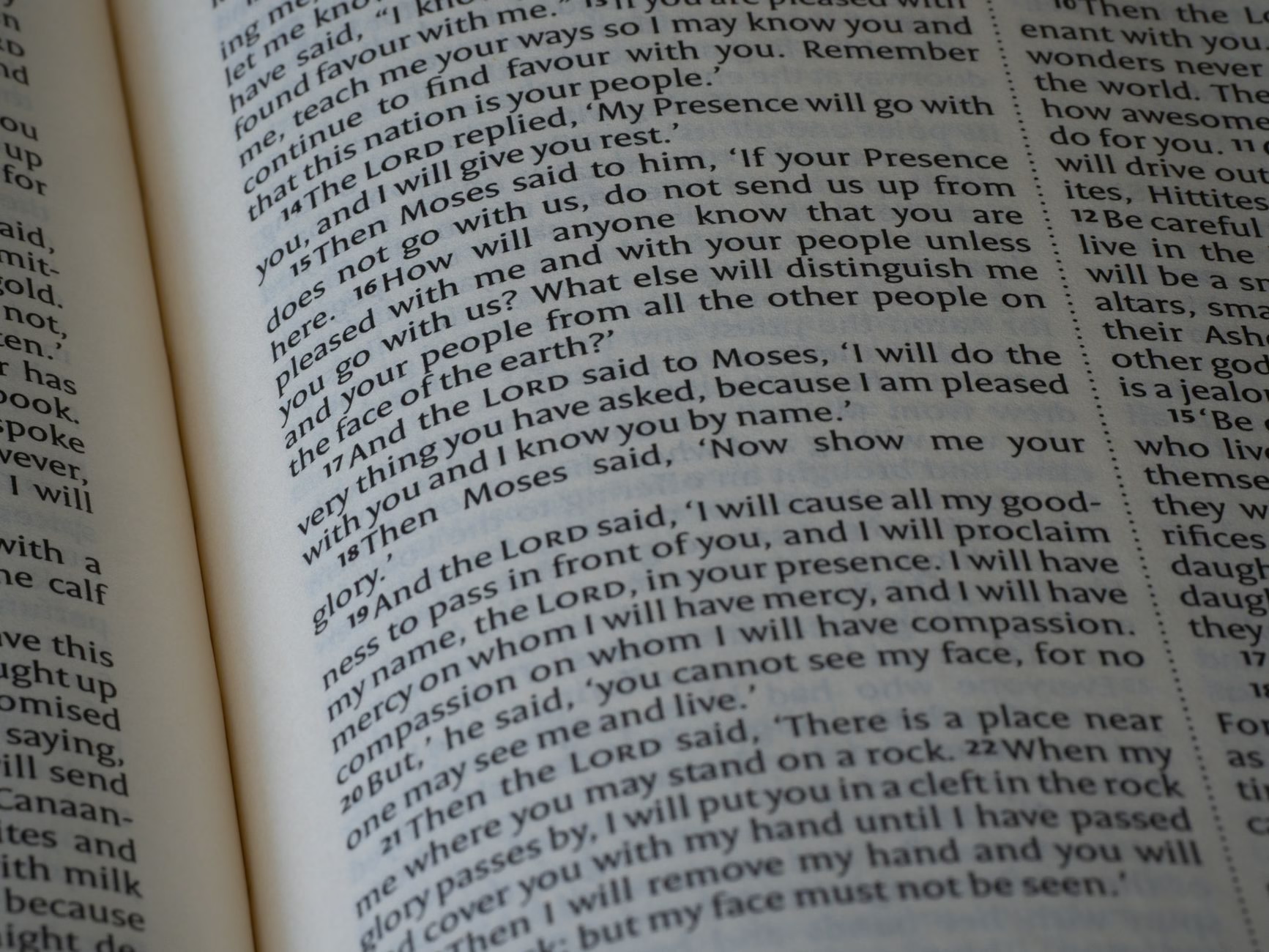
Short answer: The phrase 'God cannot be in the presence of sin' reflects His holy nature and moral separation from sin. Key verses include Isaiah 59:2 and Habakkuk 1:13, which emphasize the barrier sin creates between humanity and God.
Understanding the Concept: “God Cannot Be in the Presence of Sin” – A Biblical Insight
The phrase “God cannot be in the presence of sin” often sparks curiosity and fuels theological discussions among believers and scholars alike. While not explicitly quoted in the Bible, this concept captures a significant aspect of Christian theology regarding the nature of God and the human condition. Let’s delve into this notion, explore relevant Bible verses, and understand its implications on faith and daily living.
What Does It Mean?
At its core, the idea that “God cannot be in the presence of sin” reflects God’s holy nature. God’s holiness is unparalleled, and sin fundamentally opposes His purity and righteousness. Here, we must differentiate between God’s inability and God’s unwillingness to dwell amidst sin.
- God’s Holiness: The Bible frequently portrays God’s holiness. Verses like Isaiah 6:3 highlight that God is “holy, holy, holy,” emphasizing His pure and perfect nature.
- Sin’s Nature: Sin is a departure from God’s statutes. Romans 3:23 states, “For all have sinned and fall short of the glory of God,” illustrating the universal human shortfall in living up to divine righteousness.
- Moral Separation: This phrase suggests a moral rather than spatial separation. It is not that God cannot physically be where sin is, but rather that sin conflicts with His moral nature.
Key Biblical Passages
Many verses embody the essence of this profound theological view, shedding light on God’s response to sin.
Isaiah 59:2
Isaiah poignantly states, “But your iniquities have separated you from your God; your sins have hidden his face from you, so that he will not hear.” This passage poignantly underscores the barrier sin erects between humanity and God, emphasizing the spiritual chasm.
Habakkuk 1:13
“You who are of purer eyes than to see evil and cannot look at wrong,” writes Habakkuk, reinforcing the notion that God’s holy nature is incompatible with evil deeds.
2 Corinthians 6:14-18
Paul’s exhortation to avoid being “unequally yoked with unbelievers” (v. 14) further illustrates the divide between holiness and iniquity. The apostle calls believers to a life separate from sin, echoing God’s call for purity and devotion.
Theological Implications
- Redemption Through Christ: Despite the separation caused by sin, Christians believe in reconciliation through Jesus Christ. 2 Corinthians 5:21 extols, “God made him who had no sin to be sin for us, so that in him we might become the righteousness of God.”
- Divine Forgiveness: 1 John 1:9 assures believers that, “If we confess our sins, he is faithful and just and will forgive us our sins and purify us from all unrighteousness.” God’s grace provides a path for redemption and renewal.
- Call to Holiness: Believers are encouraged to strive for holiness, echoing 1 Peter 1:16: “Be holy, because I am holy.”
Living Out Holiness
Understanding this concept invites us to reflect on our lives and align our actions with God’s holiness.
- Personal Reflection: Regular self-examination and confession can help reduce the sin barrier, realigning one’s life closer to God.
- Spiritual Practices: Engaging in prayer, Bible study, and fellowship reinforces the believer’s commitment to holiness.
- Community and Accountability: Being part of a faith community provides support and accountability in the pursuit of righteousness.
Conclusion
While the phrase “God cannot be in the presence of sin” is not verbatim in the Bible, its essence is woven through the Scriptures. It serves as a poignant reminder of God’s holiness, our human condition of sinfulness, and the redemptive power of Christ’s sacrifice. Embracing this theological truth invites believers to pursue holiness and deepen their relationship with God, walking in His grace and striving for a life reflective of His righteousness. Understanding and living in response to this truth can transform individual lives and communities, fostering a world more attuned to divine love and justice.
Key Takeaways
- God's holiness defines His inability to coexist with sin.
- Sin creates a barrier between humanity and God, impacting our relationship.
- Christian redemption is possible through faith in Jesus Christ.
- Believers are called to pursue holiness and live in alignment with God's nature.
Pursuing Holiness in Daily Life
Regular self-examination and confessing sins help maintain closeness with God. Participate in community and spiritual practices to strengthen your commitment to holiness.
Frequently Asked Questions
What does it mean that God cannot be in the presence of sin?
It means God's holiness and purity are fundamentally incompatible with sin.
How does sin affect my relationship with God?
Sin separates us from God, creating a spiritual barrier that impacts communication and fellowship.
Can I be forgiven for my sins?
Yes, 1 John 1:9 assures believers that God is faithful and just to forgive and purify from all unrighteousness.
What can I do to pursue holiness?
Engage in prayer, study the Bible, and be part of a supportive faith community to cultivate holiness in your life.
The Bottom Line
Understanding the separation caused by sin encourages us to seek a closer relationship with God. Embracing His grace transforms our hearts, inviting us to live lives reflective of His holiness.