Short answer: Bible verse numbers hold significant symbolic meanings. For instance, the number 3 represents completeness, while 7 symbolizes divine perfection, as seen in Genesis 1:31 and Revelation 1:20.
When we dive into the sacred texts of the Bible, we often focus on the profound stories and teachings within its pages. However, there’s another layer that beckons for exploration – the numbers associated with these verses. Bible verse numbers are not randomly assigned; they hold symbolic meanings and resonate deeply within the context of biblical teachings. Let’s decipher this mystical numeric landscape and understand its significance.
The Origins of Bible Verse Numbers
Before delving deeper, it’s essential to understand how these numbers came into being. Originally, the Bible was a continuous script without chapters or verses.
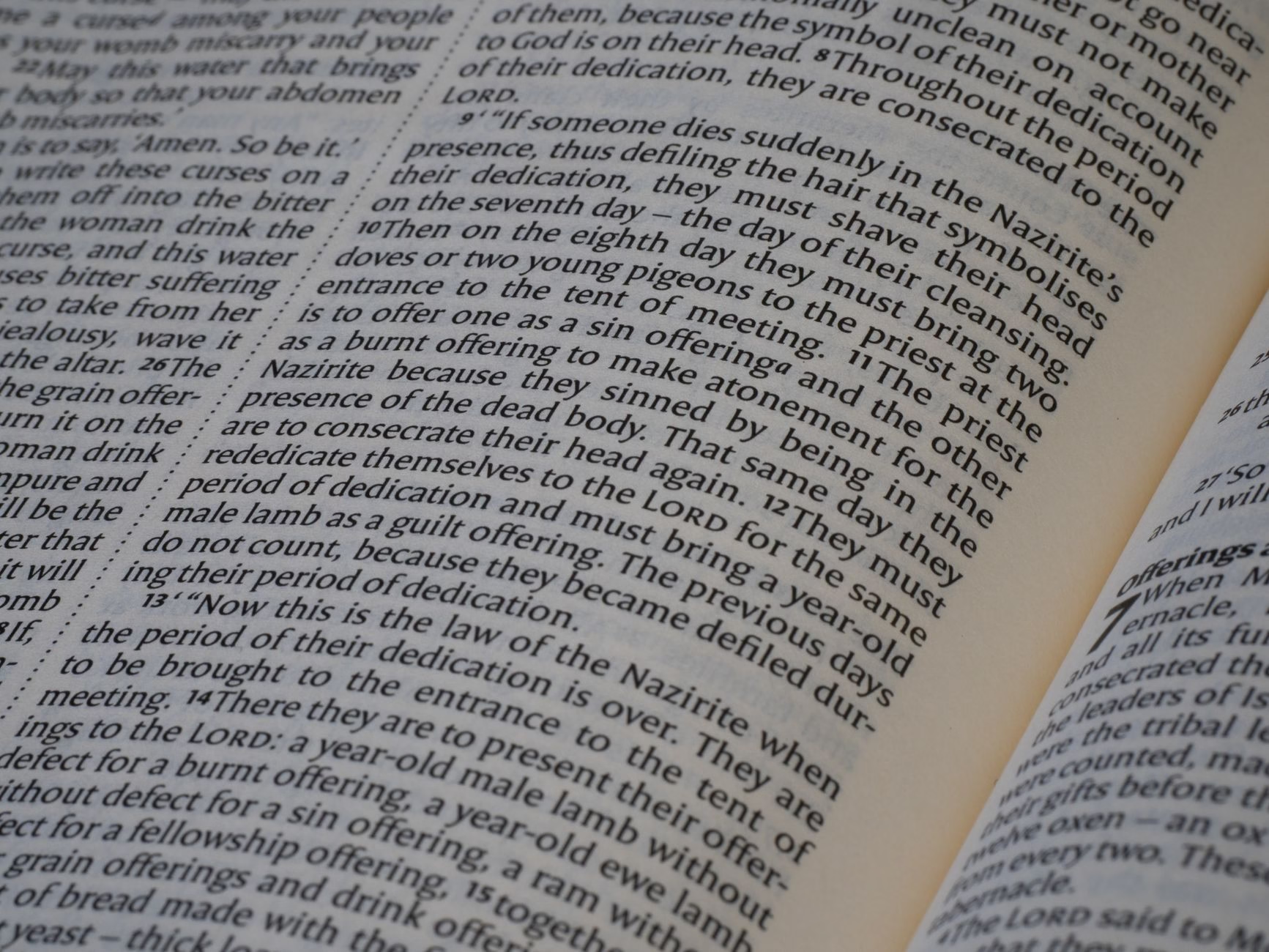
- Chapter and Verse System: The division into chapters was carried out by Stephen Langton, the then-Archbishop of Canterbury, in the early 13th century. Later, in the 16th century, Robert Estienne, a French printer, introduced the modern verse divisions. This system was designed primarily for the ease of reading, study, and reference.
The Symbolism of Numbers in the Bible
Numbers in biblical texts are often laden with meaning and spiritual significance. Here’s a glimpse into some of the most common numbers found within its verses:
- Number 3: Often associated with completeness and stability. It appears in the Holy Trinity (Father, Son, Holy Spirit) and the resurrection of Christ, occurring on the third day.
- Number 7: Represents perfection and divine completeness. Seen in the seven days of creation and numerous other contexts (such as the seven seals in Revelation).
- Number 12: Symbolizes perfection in government, as seen in the twelve tribes of Israel and the twelve apostles.
- Number 40: Suggests a period of testing or trial. For instance, Moses spent 40 days on Mount Sinai, and Jesus was tempted in the wilderness for 40 days.
Understanding Verses Through Numbers
By understanding the numeric symbolism within the Bible, we can gain a richer perspective:
- Examples of Number 7: In Revelation 1:20, seven stars represent seven angels, and seven lampstands symbolize seven churches. Here, we see the number encompassing divine perfection and spiritual completeness.
- The Significance of Number 40 in Genesis 7:4: “For after seven more days, I will send rain on the earth for forty days and forty nights…” This passage is not just a narrative of Noah’s Ark; it signifies a purification and a fresh start.
Noteworthy Numerical Patterns
Aside from individual numbers, the Bible contains compelling numerical patterns that serve as a testament to its divine orchestration:
- The Genealogy of Christ: Matthew 1 offers a genealogy splitting the lineage of Jesus into three groups of fourteen generations, underscoring the perfection in divine planning.
- Apocalyptic Visions in Revelation: The recurring numeric pairings (e.g., 4 horsemen, 7 seals, 24 elders) serve to emphasize completeness and judgement.
The Role of Bible Verse Numbers in Study and Interpretation
- Enhanced Comprehension: Verse numbers aid scholars and theologians in structuring their study of texts for better comprehension and comparison with historical contexts.
- Facilitating Memorization and Reference: The chapter-verse system transforms the Bible into an accessible resource for both believers and academic students, allowing quick retrieval and study.
Conclusion: The Divine Numerology of the Bible
The numbers in Bible verses are much more than mere organizational tools; they are integral to the Bible’s language. They embody profound messages, deep symmetry, and an unspoken narrative that enhances our understanding of divine truths.
As you explore the Bible, consider these numbers not just as numerical markers but as elements imbued with meaning and reminders of the continuity, completeness, and divine orchestration of biblical events. Engaging with the Bible verse numbers can offer new insights and enrich your personal or scholarly journey through these sacred texts. Dive deeper, and let the numbers guide you into the heart of biblical knowledge and spirituality.
Key Takeaways
- Bible verse numbers originated for ease of reading and study.
- Numbers like 3, 7, and 12 carry deep spiritual meanings.
- Verse numbers enhance comprehension and facilitate memorization.
- Understanding numbers can provide new insights into biblical teachings.
Reflect on Biblical Numbers
Consider the meanings behind the numbers in the Bible as you read. They can deepen your understanding of the text and enrich your spiritual journey.
Frequently Asked Questions
Who created the chapter and verse system?
The chapter system was developed by Stephen Langton in the 13th century, while Robert Estienne introduced the modern verse divisions in the 16th century.
What does the number 40 signify in the Bible?
The number 40 often represents a period of testing or trial, as seen in instances like Noah's Flood and Jesus' temptation in the wilderness.
How can understanding numbers enhance Bible study?
Understanding the symbolism of numbers can provide deeper insights into the messages and themes within biblical texts.
What is the significance of the number 12?
The number 12 symbolizes perfection in government, illustrated by the twelve tribes of Israel and the twelve apostles of Jesus.
The Bottom Line
Engaging with the symbolism of numbers in the Bible can offer refreshing insights. As you read and reflect, allow these numerical meanings to enrich your understanding of God's word.