
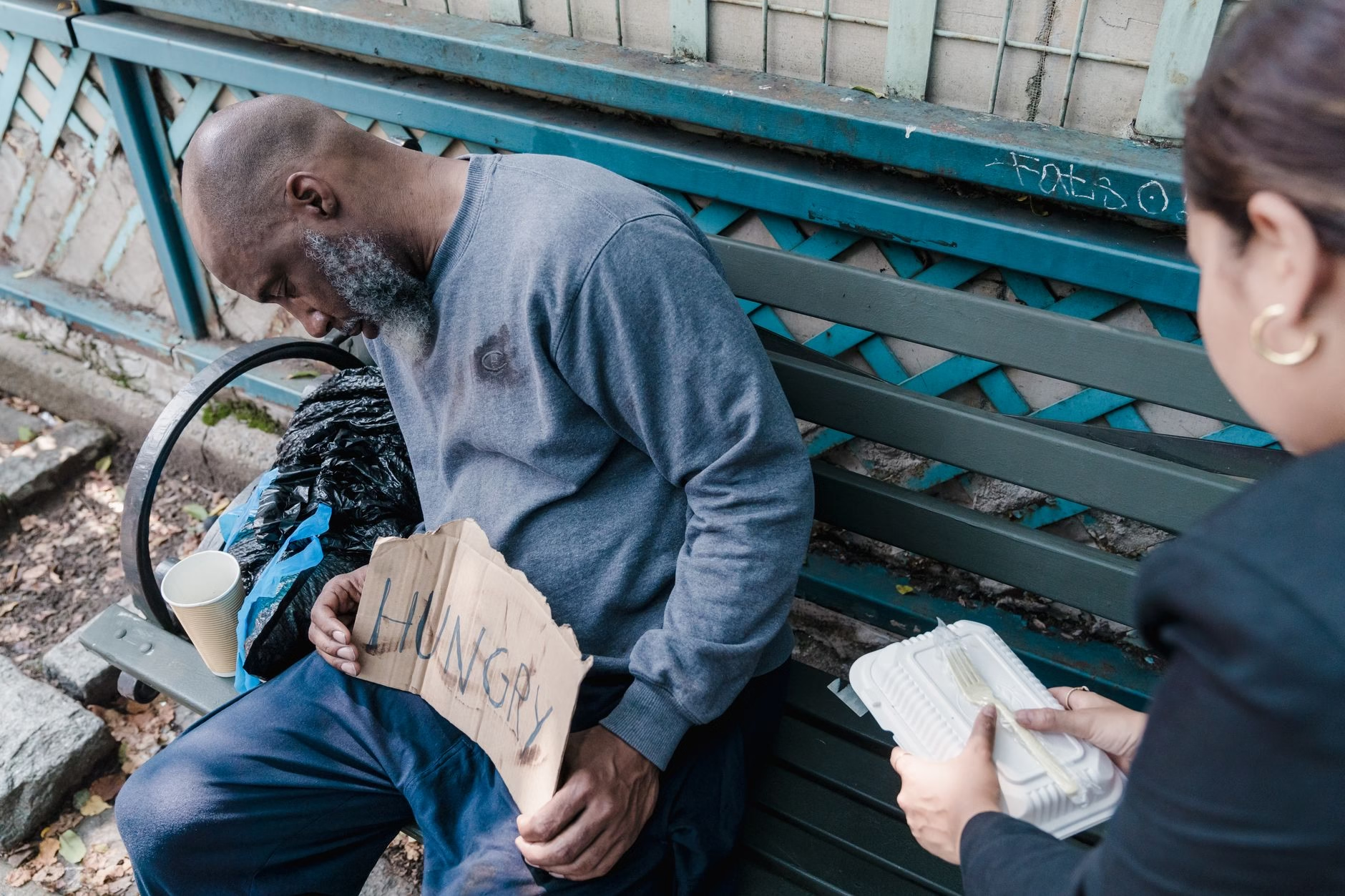
Caring for the poor and vulnerable has always been a core aspect of God’s heart and mission. As believers, we are called not just to acknowledge the plight of the disenfranchised but to act on it, reflecting God's character in our lives. Scripture is replete with verses urging us to demonstrate compassion, justice, and love towards those in need. In this blog post, we will explore various Bible verses about concern for the poor, understanding their spiritual significance and how we can practically apply these teachings in our daily lives.
Understanding God’s Heart for the Poor
Throughout the Bible, we see a clear message that God has a special concern for the poor. From the laws given to the Israelites to the teachings of Jesus, caring for the needy is an intrinsic part of our faith. In Isaiah 58:6-7, God highlights the type of fast He desires—one that frees the oppressed and shares with the hungry. This is a powerful reminder that our spiritual devotion must translate into concrete action for those in need.
Scripture Significance
The following verses highlight God’s concern for the poor and His desire for His people to reflect that same compassion:
Proverbs 14:31: "Whoever oppresses a poor man insults his Maker, but he who is generous to the needy honors him." This verse emphasizes that how we treat the poor is a reflection of our relationship with God. When we overlook or mistreat those in need, we are ultimately showing disrespect to their Creator.
Psalm 41:1: "Blessed is the one who considers the poor! In the day of trouble, the Lord delivers him." This passage not only promises blessing for those who help the poor but also reassures us of God’s deliverance when we, too, find ourselves in need.
H2: Jesus’ Teachings on Poverty
Jesus lived a life marked by compassion for the poor, and His teachings provide profound insights into how we should regard and assist those in need.
H3: The Parable of the Good Samaritan
In Luke 10:25-37, Jesus tells the story of the Good Samaritan, who helps a wounded traveler neglected by others. This parable teaches us that true neighborly love transcends social, ethnic, and religious boundaries. By acting with mercy and compassion, we honor Christ’s command to love one another.
H3: The Rich Young Ruler
In Mark 10:17-27, a rich young ruler asks Jesus what he must do to inherit eternal life. Jesus tells him to sell everything he has and give to the poor, highlighting that material wealth can hinder our spiritual journey. This story serves as a reminder that our riches should be used to bless others and advance God's kingdom.
H2: Old Testament Foundations for Caring for the Poor
The Old Testament is filled with laws and principles intended to protect and uplift the poor.
H3: Gleaning Laws
In Leviticus 19:9-10, God commanded farmers not to harvest the edges of their fields completely but to leave them for the poor and the foreigner. This practice of gleaning showcased God's provision and showed the Israelites that sharing resources is part of their communal responsibility.
H3: Justice for the Poor
Proverbs 31:8-9 urges us to "speak up for those who cannot speak for themselves." In the context of societal structures, this encourages us to advocate for justice and fairness for the marginalized. Believers are called to be voices for the voiceless, helping to ensure that the rights of the poor are recognized and respected.
H2: Practical Ways to Help the Poor
Embracing God’s heart for the poor involves not just understanding Scripture but also taking actionable steps to reflect that understanding in our lives.
H3: Volunteer Your Time
Consider volunteering at local shelters, food banks, or other outreach programs aimed at meeting the needs of the poor. Your time and presence can provide not just material assistance but emotional support.
H3: Financial Giving
Support organizations that work to alleviate poverty through donations. Whether it's small or substantial, your contribution can make a significant difference.
H3: Advocate for Social Justice
Educate yourself about systemic issues affecting the poor in your community. Engage with leaders and influence policies that aim to uplift the disadvantaged. This effort goes beyond charity and seeks to create sustainable change.
H3: Foster Relationships
Build genuine relationships with those in poverty. This helps to break down barriers and preconceived notions, and it allows you to serve them better.
Conclusion: Reflecting God’s Love in Action
In summary, the Bible verses about concern for the poor illustrate a profound and essential aspect of our Christian walk. They remind us that compassion for the needy is not merely an option but a command intertwined with our faith. By embracing God’s heart for the poor and taking practical steps toward serving those in need, we can embody Christ’s love and shine His light in a world often plagued by injustice.
Let us carry these truths in our hearts and actively seek opportunities to love and serve the less fortunate, knowing that in doing so, we honor God and fulfill His calling for our lives.
Related Reading
Key Takeaways
- Caring for the poor reflects God's character and is a vital part of our faith.
- Scripture encourages us to show compassion, advocate for justice, and help those in need.
- Jesus' teachings remind us that our actions towards the poor have eternal significance.
Take Action to Help the Poor
Look for local opportunities to volunteer at shelters or support food banks. Small acts of service can bring hope and support to those facing hardships in your community.
Frequently Asked Questions
What does the Bible say about the importance of helping the poor?
The Bible repeatedly emphasizes the need to help those in need, portraying it as a reflection of our love for God and others.
How can I volunteer effectively?
Choose a local organization that aligns with your values and interests, and commit your time regularly to make a lasting impact.
What are some common misconceptions about poverty?
Many believe that poverty is solely a result of personal failure, ignoring systemic issues that contribute to economic hardship for many.
How can I advocate for social justice?
Learn about the issues affecting the poor in your area, and engage with local leaders to influence policies that promote fairness and equality.
The Bottom Line
By embracing God's call to care for the poor, we align ourselves with His heart and purpose. Let us continually seek ways to express love and compassion, making a tangible difference in the lives of those who need it most.