In a world increasingly marked by displacement, conflict, and vulnerability, the plight of refugees resonates deeply within our Christian hearts. Understanding Scripture's perspective on refugees is not just an exercise in theology; it is a call to compassion, empathy, and action. As followers of Christ, we are reminded to embrace and support those who find themselves in dire circumstances, embodying the love and grace that God extends to us.
The Bible speaks with clarity about our responsibilities toward the marginalized, including refugees. Through various verses, we see God's heart for those who are oppressed and His directive for believers to respond with love and hospitality. In this article, we will explore significant Bible verses about refugees, delve into their meanings, and consider how we can apply these lessons in our lives today.
Understanding the Biblical Context of Refugees
In the biblical narrative, the concept of refugees is not new. Throughout Scripture, we find countless examples of individuals and groups fleeing their homes due to persecution, famine, or conflict.
Related Posts:
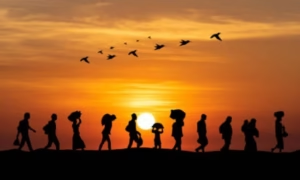
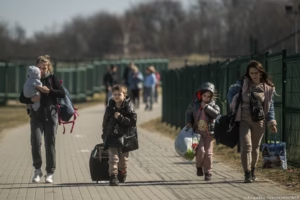


One of the most poignant stories is that of the Israelites, who were refugees in Egypt. They faced oppression and eventually were led out of slavery by Moses. This experience provided a significant backdrop for God’s commandments regarding how to treat outsiders. Exodus 22:21 states, "Do not mistreat or oppress a foreigner, for you were foreigners in Egypt. I am the Lord your God." This verse not only emphasizes empathy towards outsiders but also compels us to remember our shared humanity and past struggles.
Biblical Principles for Welcoming Refugees
As we consider Bible verses about refugees, we should focus on several key principles that guide our actions.
Love for the Stranger
One of the most direct commands regarding how to treat refugees is found in Leviticus 19:34: "The foreigner residing among you must be treated as your native-born. Love them as yourself, for you were foreigners in Egypt. I am the Lord your God." This principle encourages us to look beyond our own circumstances and extend love and care to others, recognizing that we all belong to one family—God's creation.Acts of Compassion and Generosity
In the New Testament, Jesus emphasizes the importance of compassion. Matthew 25:35 states, "For I was hungry and you gave me something to eat, I was thirsty and you gave me something to drink, I was a stranger and you invited me in." Here, Jesus highlights that welcoming strangers is a vital aspect of our faith. Our actions towards refugees should stem from a heart of generosity, offering not just material support but also emotional and spiritual connection.Empowerment over Indifference
Proverbs 31:8-9 urges believers to "Speak up for those who cannot speak for themselves, for the rights of all who are destitute. Speak up and judge fairly; defend the rights of the poor and needy." This call to advocacy reminds us that we are to be voices for those who suffer in silence, ensuring they receive justice and support.
Learning from Biblical Examples
The Bible is rich with stories of individuals who modeled compassion towards refugees, illustrating how we can serve effectively today.
Moses was himself a refugee, fleeing Egypt to escape Pharaoh's wrath. His story illustrates how God can use individuals with refugee backgrounds to bring about significant change. It's important to recognize that those who are displaced often have gifts and potential that can benefit society.
Ruth is another remarkable figure. A Moabite woman, she chose to stay with her mother-in-law, Naomi, despite being a foreigner in Israel. Ruth's loyalty and hard work led her to be pivotal in the lineage of David and ultimately Jesus. This story highlights the power of inclusion and how refugees can enrich communities.
Practical Applications for Today
As believers, it is crucial to move beyond mere acknowledgment of the plight of refugees to tangible actions. Here are practical steps to consider:
Educate Yourself: Stay informed about the challenges refugees face and the specifics of refugee resettlement programs in your area. Knowledge equips you to give a well-informed response.
Get Involved: Volunteer with local organizations that support refugees, whether through providing language lessons, job training, or simply offering friendship and hospitality.
Support Refugee Families: Consider supporting families through material aid, such as food drives, clothing donations, and even financial support.
Advocate: Use your voice and influence to advocate for just policies regarding refugees. Write to your local representatives and support initiatives that uphold the dignity and rights of displaced individuals.
Conclusion
The Bible offers a profound message about the treatment of refugees, urging believers to respond with love, compassion, and advocacy. By understanding and embracing these teachings, we not only reflect God's heart towards the most vulnerable among us but also fulfill our calling to be His hands and feet in the world.
As we internalize these lessons from Scripture, may we be moved to action, becoming a welcoming, hospitable community that echoes the Gospel. By doing so, we not only serve refugees but also deepen our walk with Christ, living out our faith in real, impactful ways.