
BIBLE VERSES ABOUT REVERENCE
Introduction
Reverence is one of the most beautiful expressions of a believer’s relationship with God. It is not merely about outward respect but an inner posture of awe, honor, and submission before the Creator. In a culture that often prioritizes self-expression and personal convenience over sacred devotion, rediscovering the biblical meaning of reverence is essential.
To revere God means to acknowledge His holiness, His authority, and His infinite greatness. Reverence shapes the way we worship, pray, speak, and live. When believers cultivate a spirit of reverence, they develop hearts that are sensitive to His presence and obedient to His commands. This article will explore key Bible verses about reverence, what they teach us about honoring God, and how we can apply these truths in our daily lives.
Understanding the Meaning of Reverence
Reverence is a response to the majesty of God. It is the awareness that we stand before the Holy One who created all things. The Bible uses words such as fear, awe, and honor to describe reverence. This fear is not terror but a profound respect for God’s divine authority and love.
Related Posts:



Proverbs 9:10 says, “The fear of the Lord is the beginning of wisdom, and knowledge of the Holy One is understanding.”
This verse teaches that true wisdom begins when we see God as He truly is and respond in humility. Reverence opens the doorway to spiritual insight. Without it, our worship becomes shallow and our obedience incomplete. To fear the Lord is to walk wisely, seeking His will above our own desires.
Practically, reverence means pausing before rushing into worship or prayer, remembering whose presence we are entering. It means treating sacred matters with sincerity and not carelessness. Reverence sanctifies our hearts, guiding us toward purity and humility.
Reverence in Worship
Worship is one of the clearest reflections of our reverence for God. The way we approach worship reveals the posture of our hearts. God desires worship that is genuine and filled with awe.
Psalm 95:6 declares, “Come, let us bow down in worship, let us kneel before the Lord our Maker.”
This verse invites believers to express reverence through humble adoration. Bowing and kneeling are physical signs of the inner truth that God alone is worthy of our praise. When our worship loses reverence, it risks becoming self-centered, focused on emotion rather than devotion.
Reverence in worship also involves preparation. We can prepare our hearts before attending church by confessing sin, meditating on Scripture, and focusing our thoughts on the Lord. Reverence helps us resist distractions so that our hearts are fixed on God alone.
Reverence in Obedience
Reverence is not only displayed through worship but also through obedience. Honoring God means submitting to His commands with respect and trust.
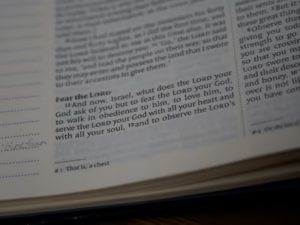
Deuteronomy 10:12–13 explains, “And now, Israel, what does the Lord your God ask of you but to fear the Lord your God, to walk in obedience to Him, to love Him, to serve the Lord your God with all your heart and with all your soul, and to observe the Lord’s commands.”
This passage connects reverence with love and obedience. To fear the Lord is not to shrink away but to draw near in faith and submission. Reverence motivates believers to follow God’s word faithfully, even when obedience is costly or countercultural.
In daily life, reverence can be seen in small decisions such as speaking truthfully, showing kindness, and treating others with dignity. Obedience is an act of worship that demonstrates our trust in God’s authority. When we revere Him, we choose His will over our own.
Reverence in Prayer
Prayer is an intimate encounter with God, and reverence shapes how we speak and listen to Him. Jesus taught His disciples to begin prayer with an acknowledgment of God’s holiness.
Matthew 6:9 says, “Our Father in heaven, hallowed be Your name.”
“Hallowed” means to make holy or to treat as sacred. Reverence in prayer recognizes that although God is our loving Father, He is also the Almighty whose name must be honored. This perspective transforms prayer from routine recitation into heartfelt communion.
When believers approach prayer with reverence, they speak sincerely and listen attentively. It is not a time to demand but to surrender. Reverence invites silence, reflection, and gratitude. It reminds us that prayer is a privilege, not a performance.
Reverence in Daily Conduct
Reverence is not limited to church or personal prayer times. Scripture calls us to live reverently every day.
Colossians 3:17 instructs, “And whatever you do, whether in word or deed, do it all in the name of the Lord Jesus, giving thanks to God the Father through Him.”
Living reverently means that even ordinary actions can glorify God when they are done with gratitude and integrity. The way we speak to others, the choices we make at work, and the attitudes we carry all become opportunities to honor Him.
Hebrews 12:28 also says, “Let us be thankful, and so worship God acceptably with reverence and awe, for our God is a consuming fire.” This reminder shows that reverence is not optional. It is the appropriate response to the power and holiness of God.
A life of reverence is guided by humility, gratitude, and respect. It is lived in conscious awareness that God is present in every moment.
Key Lessons
- Reverence begins with recognizing who God is and responding with humility and awe.
- True wisdom and understanding grow out of a reverent heart that seeks the Lord.
- Worship should be offered with sincere devotion, not performance or pride.
- Obedience is an act of reverence that honors God’s authority.
- Prayer must reflect our respect for God’s holiness and our dependence on Him.
- A reverent lifestyle glorifies God through everyday actions and attitudes.
Conclusion
Reverence is much more than a feeling; it is a way of life that honors the greatness of God. When believers cultivate reverence, they open their hearts to deeper intimacy with the Lord. It helps us worship more sincerely, obey more faithfully, and live with greater purpose.
The world may treat sacred things lightly, but followers of Christ are called to stand apart, reflecting God’s holiness through a life marked by respect and awe. As Psalm 111:10 beautifully declares, “The fear of the Lord is the beginning of wisdom; all who follow His precepts have good understanding.”
Let us pray to develop hearts that honor God in every word and deed. May our lives testify to His glory as we walk in reverence before Him each day.
Further Reading
BIBLE VERSES ABOUT BLACK PEOPLE
BIBLE VERSES ABOUT LATENESS TO CHURCH
BIBLE VERSES ABOUT GOD PROTECTING US FROM OUR ENEMIES