BIBLE VERSES ABOUT SACRAMENTS
Introduction
The sacraments are sacred practices that visibly express our inward faith and strengthen our connection with God. Throughout Scripture, God has given His people signs and symbols to remind them of His covenant, grace, and the power of salvation through Jesus Christ. For believers today, understanding the biblical foundation of the sacraments helps us move beyond ritual and into genuine relationship with God.
The Bible points us to spiritual realities through physical means. Water in baptism, bread and cup in communion, and even the laying on of hands or anointing with oil, all remind us that God works through both the seen and unseen. Exploring Bible verses about the sacraments allows us to appreciate these holy practices as moments of divine encounter rather than mere tradition.
The Meaning and Purpose of the Sacraments
The word “sacrament” comes from a Latin term meaning “a sacred mystery.” In Scripture, sacraments are visible signs instituted by Christ to convey invisible grace. They do not earn salvation, but they point believers to the saving work that has already been done through Jesus.
Related Posts:


The sacraments are intended to:
- Strengthen our faith through tangible acts of remembrance.
- Unite believers as one body under Christ.
- Serve as continual reminders of God’s promises.
In the early church, two principal sacraments were emphasized: Baptism and the Lord’s Supper. These two practices remain central to most Christian traditions today.
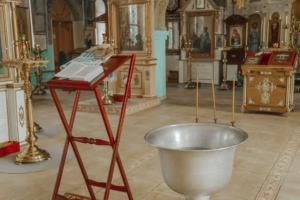
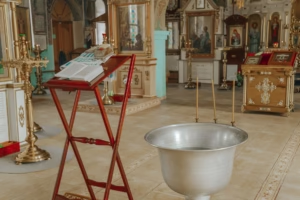
Baptism: A Symbol of New Life in Christ
Baptism is one of the clearest outward expressions of a believer’s inward transformation. It represents cleansing from sin and becoming part of the family of God.
Matthew 28:19 teaches, “Go therefore and make disciples of all nations, baptizing them in the name of the Father and of the Son and of the Holy Spirit.” This command from Jesus shows that baptism is not optional but a vital act of obedience for every follower of Christ.
Romans 6:3-4 adds deeper meaning: “Do you not know that all of us who have been baptized into Christ Jesus were baptized into His death? We were buried therefore with Him by baptism into death, in order that, just as Christ was raised from the dead by the glory of the Father, we too might walk in newness of life.”
Baptism symbolizes our identification with the death, burial, and resurrection of Jesus. It marks a turning point where we leave behind our old lives and live in the newness of His grace.
Practical Reflection:
Baptism challenges believers to live each day as those who have died to sin and risen to righteousness. It is a public testimony of an inward commitment. Even after the act itself, we are reminded daily that we belong to Christ and are called to walk in His truth.
The Lord’s Supper: Remembering the Sacrifice of Christ
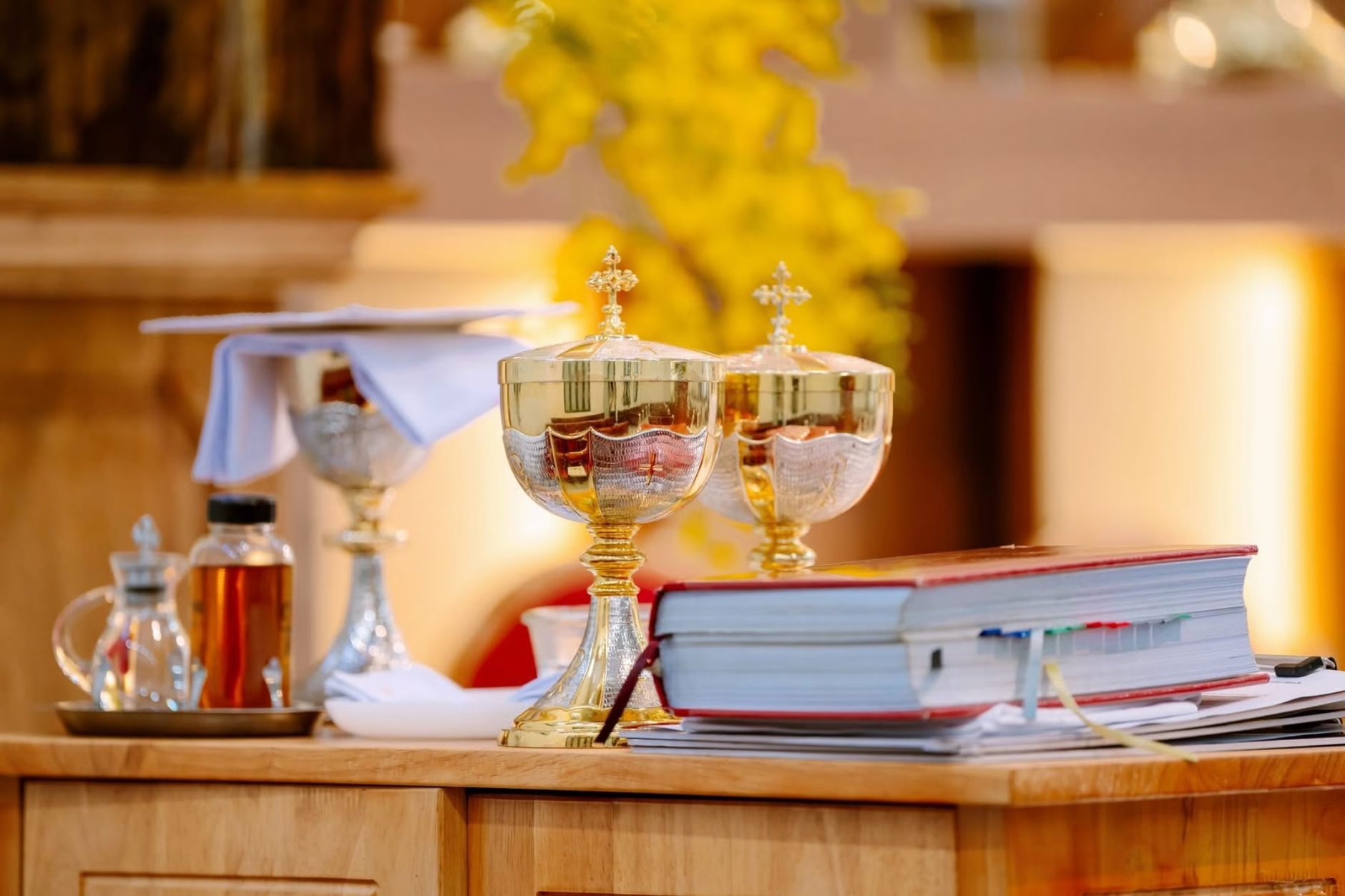
The Lord’s Supper, also called Communion or the Eucharist, was instituted by Jesus during His final meal with the disciples. It serves as a continual remembrance of His sacrifice and an expression of unity within the body of believers.
Luke 22:19-20 recounts this sacred moment: “And He took bread, gave thanks and broke it, and gave it to them, saying, ‘This is My body given for you. Do this in remembrance of Me.’ In the same way, after supper He took the cup, saying, ‘This cup is the new covenant in My blood, which is poured out for you.’”
Every time believers take the bread and the cup, they proclaim the death of Christ until He returns. This act connects us to the cross and reminds us that forgiveness and freedom come through His blood.
First Corinthians 11:27-29 warns that the Lord’s Supper must be taken with reverence: “Whoever eats the bread or drinks the cup of the Lord in an unworthy manner will be guilty concerning the body and blood of the Lord.” This passage teaches believers to examine their hearts, confess sin, and approach the table with humility and gratitude.
Practical Reflection:
The Lord’s Supper is an invitation to pause and remember. It draws our hearts back to the center of our faith, the finished work of Jesus. It reminds us to live in forgiveness, grace, and unity with one another.
Other Biblical Practices Often Called Sacraments
While baptism and communion are seen as primary sacraments by most traditions, other sacred acts are also deeply rooted in Scripture and convey spiritual significance.
1. Marriage
Marriage is a covenant that reflects the union between Christ and the Church. Ephesians 5:31-32 explains, “For this reason a man will leave his father and mother and be united to his wife, and the two will become one flesh. This mystery is profound, and I am saying that it refers to Christ and the Church.” Christian marriage becomes a living testimony of God’s love and faithfulness.
2. Anointing with Oil and Prayer
James 5:14-15 instructs, “Is anyone among you sick? Let them call the elders of the church to pray over them and anoint them with oil in the name of the Lord.” This act represents both physical care and spiritual comfort. It is a reminder that God is our healer and sustainer.
3. Laying on of Hands
In the early church, laying hands on believers symbolized blessing, healing, or commissioning for ministry. Acts 13:3 records that the church fasted, prayed, and laid their hands on Paul and Barnabas before sending them out. This act of faith demonstrates the community’s unity and dependence on God’s guidance.
Practical Reflection:
These sacred acts remind us that the work of God touches every area of life. Whether in family, ministry, or times of need, His presence meets us through acts of faith that point to His love and power.
Key Lessons
- The sacraments are sacred signs that point to divine grace and covenant relationship with God.
- Baptism symbolizes repentance, cleansing, and new life in Christ.
- The Lord’s Supper celebrates the sacrifice of Jesus and the unity of believers.
- Marriage, anointing, and laying on of hands also reflect God’s presence and purpose in His people.
- Participating in the sacraments renews faith, encourages obedience, and strengthens spiritual community.
Conclusion
The sacraments are not merely traditions to observe. They are living expressions of God’s grace at work in our lives. Through them, we remember, celebrate, and participate in the gospel story. Each time we witness a baptism or share in communion, we are reminded that Christ is present with His church and that His promises remain sure.
For believers today, the sacraments call us to deeper worship and continual reflection. They remind us of God’s unchanging love and our ongoing transformation in Christ. Let us approach these sacred moments with gratitude, faith, and reverence, knowing that through them, the visible and invisible meet.
As we walk faithfully in obedience to God’s Word, may every sacrament renew our hearts, strengthen our faith, and keep us mindful of the glorious truth that we are His, redeemed and sustained through the grace of Jesus Christ.