Baptism: Meaning, Significance, and Why It Matters Today
Baptism is one of the most widely recognized and meaningful religious practices in the world. For many, it marks the beginning of a spiritual journey, symbolizing faith, renewal, and belonging. Whether you’re exploring baptism for personal reasons, preparing for a ceremony, or simply curious about its deeper meaning, understanding baptism can offer powerful insights into faith and identity.
In this post, we’ll explore what baptism is, its historical and spiritual significance, different types of baptism, and why it continues to matter in modern life.
What Is Baptism?
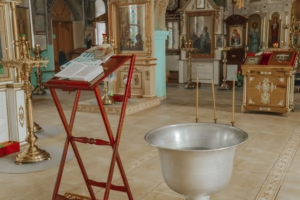
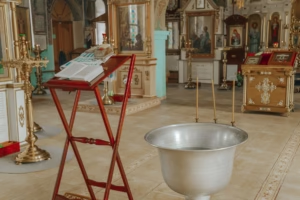
At its core, baptism is a sacred ritual practiced primarily in Christianity that uses water as a symbol of spiritual cleansing, rebirth, and commitment to faith. While methods and interpretations vary across traditions, the central theme remains the same: transformation.
Baptism often represents:
Related Posts:
- Cleansing from sin
- A new beginning or spiritual rebirth
- Public identification with a faith community
- Obedience and commitment to God
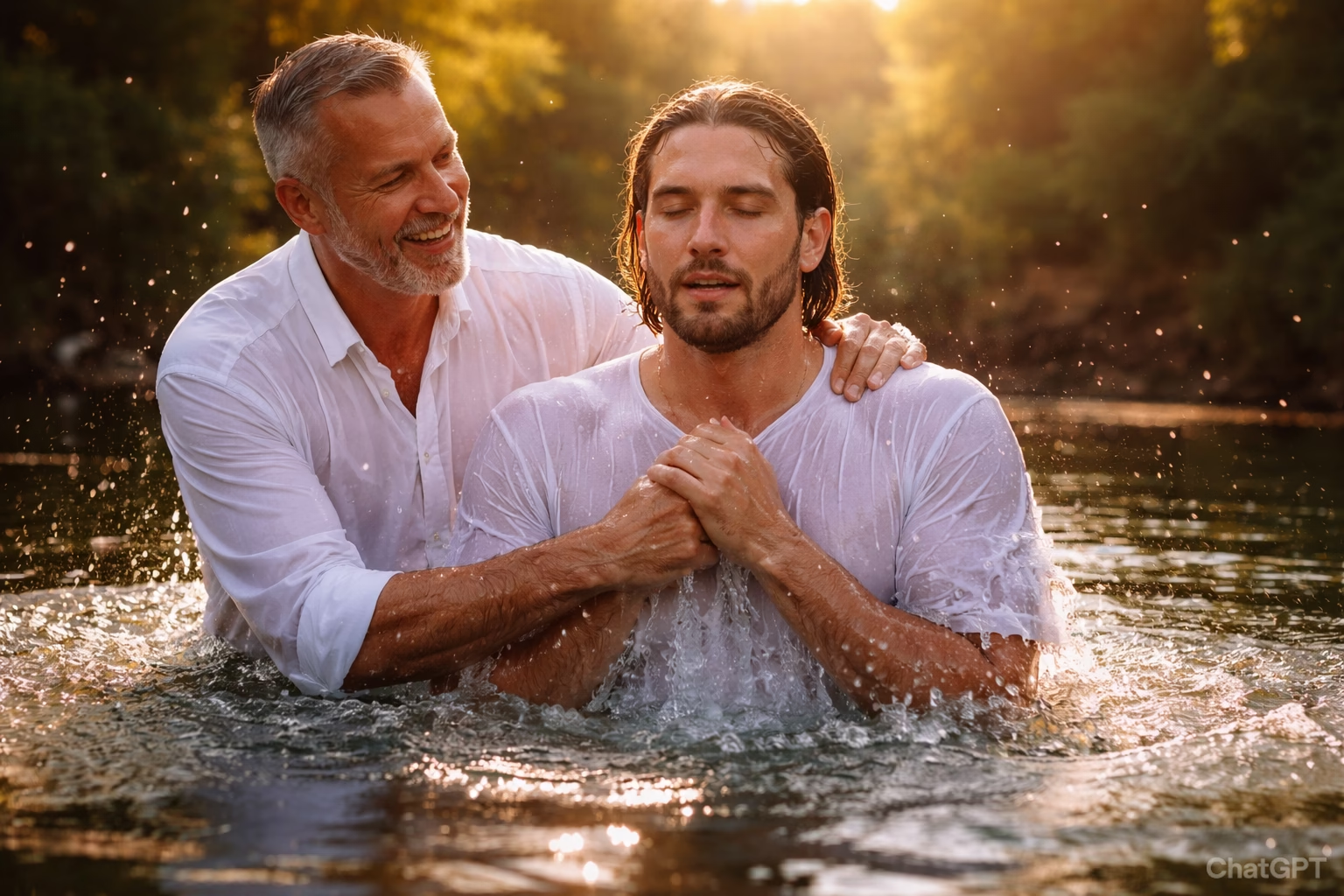
The practice dates back thousands of years and is rooted in biblical teachings, most notably the baptism of Jesus by John the Baptist in the Jordan River.
The Spiritual Meaning of Baptism
Baptism goes beyond a ceremonial act—it carries deep spiritual meaning for believers.
Key Symbolic Elements of Baptism
- Water: Symbolizes purification, life, and renewal
- Immersion or Pouring: Represents dying to an old life and rising to a new one
- Words or Blessings: Affirm faith, grace, and divine acceptance
For many Christians, baptism is seen as an outward expression of an inward faith, marking a conscious decision to follow spiritual teachings and values.
Types of Baptism
Different Christian denominations practice baptism in various ways. Understanding these differences helps clarify why baptism looks different from one church to another.
Common Forms of Baptism
- Infant Baptism: Practiced by Catholic, Orthodox, and some Protestant churches; emphasizes grace and belonging from an early age
- Believer’s Baptism: Common in Baptist and evangelical traditions; performed after a personal profession of faith
- Immersion Baptism: The individual is fully submerged in water
- Sprinkling or Pouring: Water is sprinkled or poured over the head
Each method reflects theological beliefs while pointing to the same spiritual symbolism.
Why Baptism Still Matters Today
In a fast-paced, modern world, baptism remains a powerful and relevant practice. For many people, it provides:
- A sense of spiritual grounding
- Connection to a faith community
- A meaningful milestone during life transitions
- A public declaration of personal values and beliefs
Baptism can be especially impactful during times of personal reflection, renewal, or major life change, offering clarity and purpose.
Preparing for Baptism
If you or a loved one are considering baptism, preparation often involves more than just the ceremony.
Typical Preparation Steps
- Learning about the faith and meaning of baptism
- Meeting with a church leader or mentor
- Reflecting on personal beliefs and commitments
- Participating in classes or spiritual counseling
This process helps ensure baptism is not just symbolic, but deeply personal and intentional.
Final Thoughts: The Lasting Power of Baptism
Baptism is more than a religious tradition—it’s a profound expression of faith, hope, and transformation. Across cultures and generations, it has remained a meaningful marker of spiritual identity and commitment.
Whether experienced as a quiet sacrament or a joyful public celebration, baptism continues to speak to humanity’s desire for renewal, belonging, and purpose. Its enduring significance reminds us that spiritual beginnings often start with a simple yet powerful act: stepping into the water and choosing a new way forward.
If you’re exploring baptism or reflecting on its meaning, take time to consider what it represents for you personally. Sometimes, the most meaningful journeys begin with a single step of faith.