Angel: Meaning, Symbolism, and Why Angels Still Inspire Us Today
Angels have fascinated humanity for thousands of years. Whether portrayed as divine messengers, spiritual protectors, or powerful symbols of hope, the idea of an angel transcends culture, religion, and time. From ancient scriptures to modern art and popular culture, angels continue to spark curiosity and comfort millions of people around the world.
In this post, we’ll explore what angels represent, where the concept comes from, and why they remain so meaningful in our modern lives.
What Is an Angel?
At its core, an angel is commonly understood as a spiritual being that serves as a messenger or intermediary between the divine and humanity. The word itself originates from the Greek angelos, meaning “messenger.”
While interpretations vary, angels are often associated with:
- Guidance and protection
- Moral clarity and divine will
- Hope during times of uncertainty
- A connection between the spiritual and physical worlds
Angels Across Cultures and Belief Systems
One of the most fascinating aspects of angels is how widely they appear across different traditions.
Angels in Religion
Angels play significant roles in several major religions:
- Christianity: Angels are messengers of God, protectors, and warriors of light (e.g., Gabriel, Michael).
- Islam: Angels (Malaʾika) are created from light and carry out God’s commands with complete obedience.
- Judaism: Angels act as God’s emissaries and are often symbolic rather than physical beings.
Despite differences, these traditions share a common view of angels as purposeful, powerful, and benevolent.
Angels in Other Cultures
Beyond organized religion, angel-like beings appear in many belief systems:
- Spirit guides in indigenous cultures
- Guardian entities in spiritual and metaphysical traditions
- Celestial beings in ancient mythologies
These interpretations reinforce the universal human desire to believe in unseen forces working for good.
The Symbolism of Angels
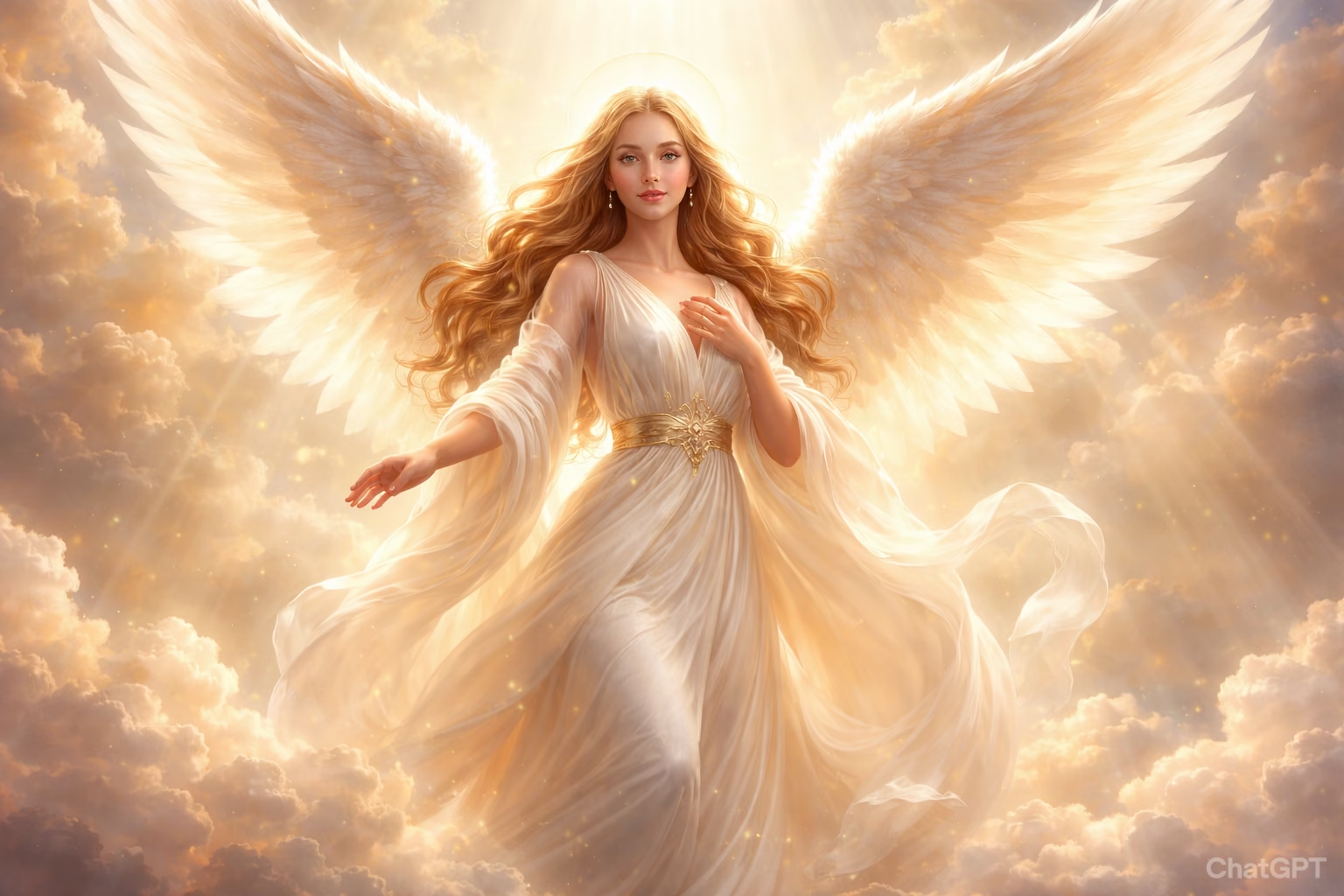
Angels are rich in symbolism, often depicted with wings, light, or serene expressions. These visual and symbolic elements represent deeper meanings:
- Wings: Freedom, transcendence, and closeness to the divine
- Light: Purity, truth, and enlightenment
- White robes: Innocence and spiritual authority
In literature and art, angels frequently symbolize hope during darkness or moral guidance during times of struggle.
Angels in Modern Culture
Today, angels are everywhere—from books and movies to tattoos and home décor. They’ve evolved beyond strictly religious contexts and now carry broader meanings.
You’ll often see angels associated with:
- Comfort during grief or loss
- Personal protection or “guardian angels”
- Symbols of peace, kindness, and love
In a fast-paced, uncertain world, angels offer a sense of reassurance and calm that many people crave.
Why Angels Still Matter Today
Even in an age of science and technology, the idea of angels endures. Why? Because angels represent something deeply human: the belief that we are not alone, that goodness exists, and that guidance is available when we need it most.
Angels remind us to:
- Be compassionate
- Act with integrity
- Believe in hope beyond hardship
Final Thoughts
The concept of an angel is both timeless and adaptable. Whether viewed through a religious, cultural, or symbolic lens, angels continue to inspire faith, creativity, and comfort across generations.
In the end, angels may matter less for what they are and more for what they represent—a powerful reminder that light, guidance, and hope are always within reach.
If you’ve ever felt protected, inspired, or uplifted by the idea of an angel, you’re part of a story humanity has been telling for centuries—and likely will for many more to come.