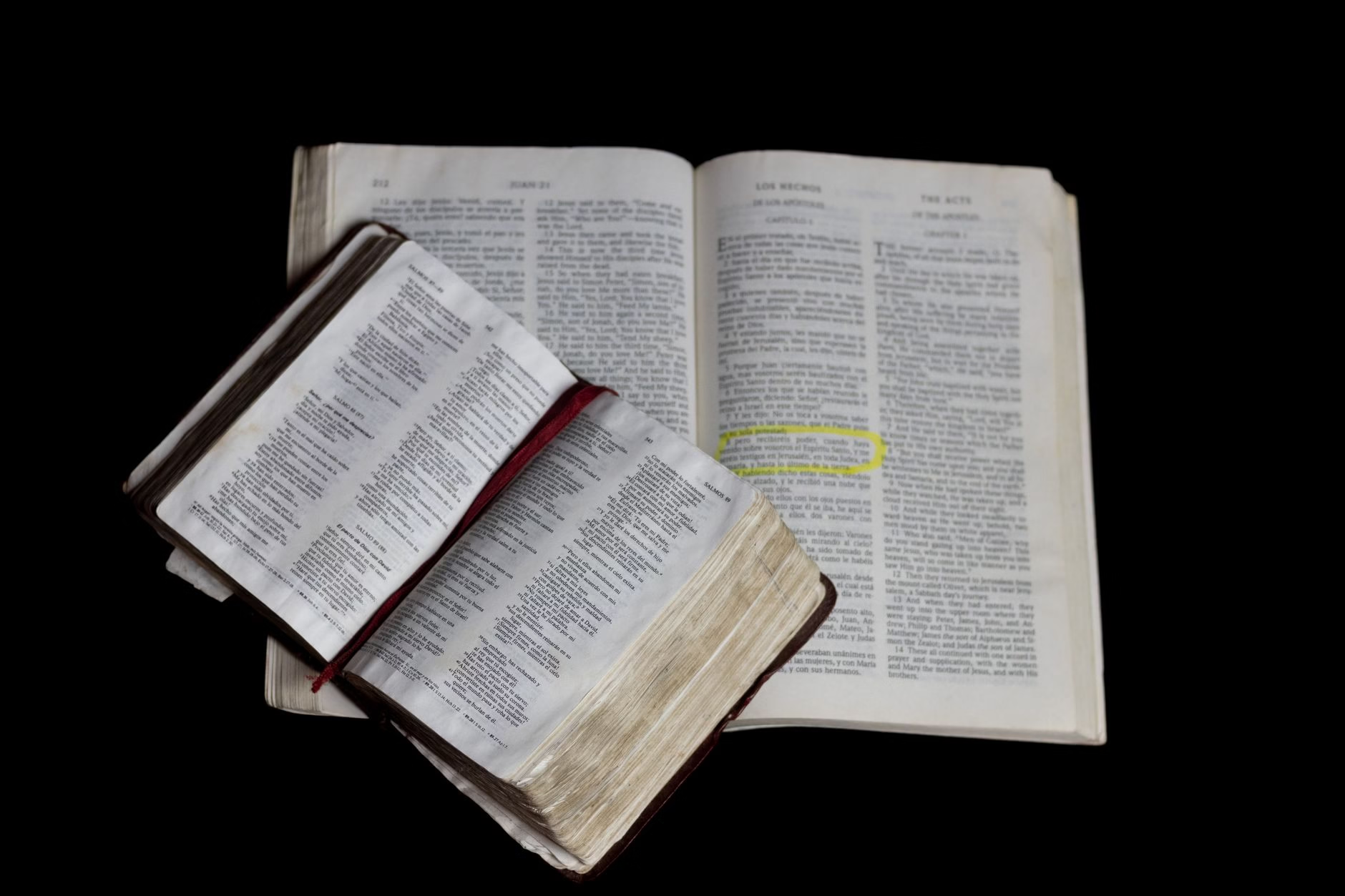
Abortion is a deeply polarizing topic that stirs up intense emotions and opinions. For many, the discourse around this issue is not merely political or social but hinges on deeply held spiritual beliefs. Understanding what the Bible says about abortion can provide insight and guidance for those navigating these complex moral waters. Whether you are seeking clarification for personal reasons, theological studies, or discussions with others, this blog post aims to explore Bible verses related to abortion and their interpretations, along with their relevance in today’s society.
The Biblical Context of Life
Before diving into specific verses, it's essential to understand the biblical view on life. In Christianity, life is often viewed as sacred and a gift from God. The Bible speaks to the value of human life from conception onward. Several verses lay the groundwork for this belief.
Key Verses on the Value of Life
- Psalm 139:13-16: "For you created my inmost being; you knit me together in my mother’s womb. I praise you because I am fearfully and wonderfully made…"
- Jeremiah 1:5: "Before I formed you in the womb, I knew you, and before you were born, I set you apart…"
- Exodus 20:13: "You shall not murder."
These verses illustrate that life is not just biological; it is intricately woven with divine purpose. They frame the conversation around abortion by establishing that God is aware of and values life at all stages.
Direct References and Interpretations
While the Bible doesn't explicitly mention the term "abortion," several passages are interpreted in the context of the moral implications surrounding it.
Related Posts:


commandments">The Ten Commandments
The sixth commandment explicitly states, "You shall not murder" (Exodus 20:13), which many interpret as a clear prohibition against taking innocent life. The argument is that abortion constitutes the taking of life, thus falling under this commandment.
The Womb as Sacred Space
Verses like Psalm 139 and Jeremiah 1:5 point to the notion that God has a plan for each individual even before they are born. The act of abortion could be seen as interrupting that divine plan. Many Christians believe that every child has a purpose, making the womb a sacred space meant for nurturing life.
The Complex Moral Landscape
It's crucial to recognize that while many see the Bible as pro-life, others argue that the interpretation of these verses, along with the concept of free will, allows for a range of views on abortion.
Compassion and Circumstances
The Bible also emphasizes compassion and understanding for difficult situations. For instance:
- Matthew 7:1-2 warns against judgment: "Do not judge, or you too will be judged."
- Galatians 6:2 encourages bearing one another's burdens, promoting empathy and support.
For some, these scriptures remind us to consider exceptional circumstances that might lead individuals to seek an abortion. It opens the door to compassionate discussions rather than harsh condemnations.
church-teachings">The Role of Church Teachings
Different denominations interpret biblical teachings on abortion in diverse ways. Here are a few examples:
Catholicism: The Catholic Church generally opposes abortion under most circumstances, citing the belief in the sanctity of life as derived from scripture.
Protestantism: Among Protestants, there is a broader spectrum of beliefs, with some denominations advocating for pro-life stances and others allowing for more nuanced discussions around abortion and health issues.
Conclusion: A Call for Compassionate Dialogue
Navigating the topic of abortion through the lens of the Bible requires sensitivity, empathy, and a willingness to engage in meaningful conversations. While various verses highlight the sanctity of life and God's awareness from the moment of conception, it’s vital to approach this topic with compassion for those facing difficult choices.
As you explore what Scripture says about abortion, remember that every situation is unique, and discussions should be held in a spirit of understanding and love. Engaging with both the biblical text and the emotions tied to this issue can help us foster a culture of respect, where differing opinions can coexist while sharing a commitment to the value of human life. Ultimately, the goal should be to embody the grace and compassion that many find central to their faith.
Additional Resources
If you're seeking more information on the intersection of faith and morality, consider the following resources:
- Books on Christian Ethics: Reading perspectives from different theologians can enrich understanding.
- Local Faith Leaders: Engaging in dialogue with pastors or community leaders can provide personalized insights and support.
- Abortion Support Groups: For those facing difficult decisions, finding a group that offers guidance from both a compassionate and faith-oriented perspective might be helpful.
Take your time in processing these diverse views, and remember that every conversation has the potential to bring healing and understanding.