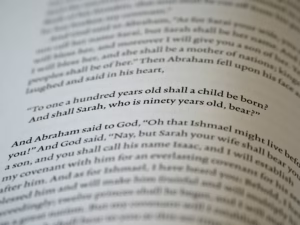
Poetry has a unique ability to express the deepest facets of human emotions, experiences, and spirituality. Its rhythmic structures and vivid language allow us to capture sentiments that often elude straightforward speech. Interestingly, the Bible itself contains poetic elements that resonate with both the human soul and divine wisdom. From the lyrical verses of Psalms to the metaphoric language of the prophets, the scriptures overflow with poetic beauty. In this post, we’ll explore various Bible verses that reflect on poetry and its profound significance in our spiritual lives.
The Poetic Nature of the Bible
The Bible is not just a religious text; it is also a treasure trove of literary artistry. Many passages are written in poetic forms, utilizing imagery, symbolism, and parallelism. Here are key sections showcasing this poetic nature:
The Book of Psalms
Perhaps the most renowned example of biblical poetry is the Book of Psalms, often regarded as the heart of worship in the scriptures. It comprises 150 hymns, prayers, and meditations that express a wide range of human emotions.
- Emotional Expression: The Psalms cover everything from deep despair to elated praise.
- Imagery and Simplicity: Rich metaphors create vivid images, making the text accessible and relatable.
- Examples of Poetic Verses:
- Psalm 23: "The Lord is my shepherd; I shall not want."
- Psalm 46:10: "Be still, and know that I am God."
The Song of Solomon
The Song of Solomon, or the Song of Songs, is an exquisite love poem that provides an intimate look at love, longing, and desire.
Related Posts:



- Celebration of Love: The text celebrates romantic love and the beauty of relationships.
- Metaphors of Nature: The use of metaphoric images from nature enhances the romance of the verses.
- Example Verse: "Let my beloved come to his garden, and eat its choicest fruits." (Song of Solomon 4:16)
The Prophets
The prophetic books are rich in wisdom and metaphorical language that challenge and inspire. For example, the writings of Isaiah are filled with imagery and poetic devices that convey God’s messages.
- Symbolic Metaphors: These verses often use symbolism to illustrate moral and spiritual truths.
- Example Verse: "I will give you treasures hidden in the darkness—secret riches." (Isaiah 45:3)
The Purpose of Poetry in the Bible
The presence of poetry in the Bible serves multiple purposes:
- Emotional Connection: Poetry evokes emotions and allows readers to connect deeply with God and their own experiences.
- Memorability: The rhythmic and lyrical nature of poetry makes verses easier to memorize and recite, enhancing their impact.
- Spiritual Reflection: Poetic language invites contemplation, encouraging readers to reflect on their spiritual beliefs and values.
Inspiration from Biblical Poetry
Understanding and appreciating the poetic dimensions of the Bible can enrich our spiritual journeys. Here are a few ways you can draw inspiration from these verses:
- Meditate on the Text: Spend time reflecting on the Psalms or other poetic books. Use meditative practices to connect with the emotions expressed in the verses.
- Incorporate into Worship: Use poetic verses in prayer and worship to enhance emotional depth and spiritual connection.
- Create Your Own Poetry: Inspired by the biblical elements, try crafting your own poems that express your spirituality and life experiences.
Conclusion: The Lasting Impact of Biblical Poetry
The beauty of biblical poetry lies not just in its artistic expression, but also in its ability to connect us to the divine and each other. The poetic verses in the scriptures resonate with timeless truths, offering wisdom, comfort, and clarity in our daily lives. By engaging with these verses, we unlock a deeper understanding of our faith and find solace in the shared human experience.
As you explore scripture, open your heart to the poetic language of the Bible. Let it inspire your writing, your worship, and your life, reminding you that faith and artistry often walk hand in hand in the journey of spirituality.