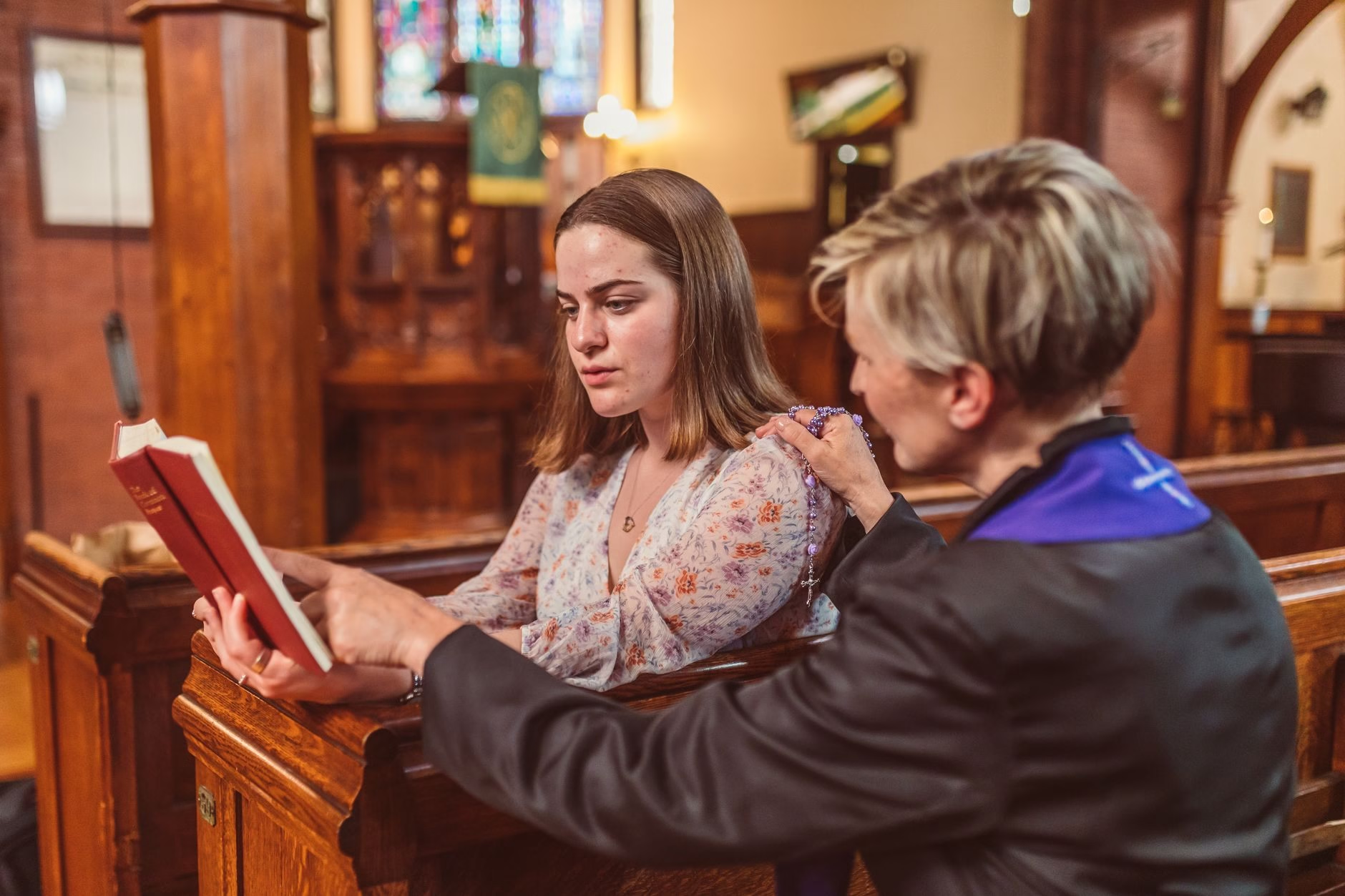
In a world where conflicts can often loom larger than life, the themes of forgiveness and reconciliation stand as beacons of hope and peace. Our relationships, whether with family, friends, or colleagues, can become strained and broken due to misunderstandings, hurtful words, or betrayal. But the good news is that the Bible offers profound wisdom on how to mend these rifts and restore harmony. Let’s explore some inspiring Bible verses about forgiveness and reconciliation that can guide us toward a more compassionate and harmonious life.
scripture">The Power of Forgiveness in Scripture
Forgiveness is not merely a suggestion in biblical texts; it is a cornerstone of the Christian faith. Here’s a closer look at important verses that emphasize its importance:
Key Bible Verses on Forgiveness
Ephesians 4:32: "Be kind to one another, tenderhearted, forgiving one another, as God in Christ forgave you."
- This verse reminds us that our capacity to forgive stems from recognizing the forgiveness we have received from God.
Matthew 6:14-15: "For if you forgive others their trespasses, your heavenly Father will also forgive you, but if you do not forgive others their trespasses, neither will your Father forgive your trespasses."
Related Posts:
- Here, Jesus underscores that forgiveness is reciprocal; it’s a cycle that can lead to healing and empowerment.
Colossians 3:13: "Bearing with one another and, if one has a complaint against another, forgiving each other; as the Lord has forgiven you, so you also must forgive."
- This encourages us to practice patience and maintain grace, echoing the divine invitation to reflect God’s love in our relationships.


These verses not only establish the necessity of forgiving others but also frame forgiveness as an act of love and grace.
understanding-reconciliation">Understanding Reconciliation
While forgiveness is a personal decision, reconciliation involves restoring the relationship — it requires action and often mutual agreement. Let’s delve into a few verses that illuminate the path toward reconciliation.
Key Bible Verses on Reconciliation
2 Corinthians 5:18: "All this is from God, who through Christ reconciled us to himself and gave us the ministry of reconciliation."
- This verse highlights that reconciliation is a divine mission; as recipients of God’s grace, we are called to extend grace to others.
Matthew 5:23-24: "So if you are offering your gift at the altar and there remember that your brother has something against you, leave your gift there before the altar and go. First be reconciled to your brother, and then come and offer your gift."
- Here, Jesus emphasizes that reconciliation is critical even to our worship. It shows the priority God places on relationships.
Romans 12:18: "If possible, so far as it depends on you, live peaceably with all."
- This verse urges us to take personal responsibility for our relationships and encourages proactive efforts toward peace.
Practical Steps for Forgiveness and Reconciliation
Embracing the teachings of these verses can be transformative. Here’s a step-by-step guide to incorporating forgiveness and reconciliation into your life:
Steps to Forgiveness
Acknowledge Your Feelings: Recognize the hurt and emotions you are experiencing. It’s okay to feel pain; suppression won't lead to healing.
Reflect on God’s Forgiveness: Meditate on the forgiveness you've received. How did God extend grace towards you? This reflection can provide the strength to forgive others.
Make a Decision to Forgive: Understand that forgiveness is a choice, not a feeling. Commit to letting go of resentment.
Steps to Reconciliation
Open a Dialogue: If it's safe to do so, initiate a conversation with the person involved. Share your feelings openly but gently, and listen to their perspective as well.
Express Your Intentions: Kindly communicate that your goal is reconciliation, not to place blame or reopen old wounds.
Seek Mutual Solutions: Work together to find ways to rebuild trust and improve the relationship moving forward.
Conclusion
The biblical verses about forgiveness and reconciliation guide us toward healthier, more fulfilling relationships. They remind us that while hurt is an inevitable part of life, healing is possible through the power of grace. By embracing these teachings and taking actionable steps, we can foster a spirit of forgiveness and work toward reconciliation with those around us. Let us strive to embody the love and forgiveness that God exemplifies, creating a ripple effect of peace and understanding in our families, communities, and beyond.