
Bible Verses About Forgiving People: Embracing the Power of Forgiveness
Forgiveness is a central theme woven throughout the Bible, offering not just a spiritual directive but also a path forward for personal healing and growth. In a world where hurt and conflicts are inevitable, learning to forgive can feel daunting. However, the Bible provides us with guidance and encouragement, illustrating the transformative power of forgiveness. In this post, we’ll explore key Bible verses about forgiving others, the significance of forgiveness in our lives, and practical tips on how to embrace this vital practice.
The Importance of Forgiveness in the Bible
Forgiveness is not merely an act but a reflection of God’s love and grace. The Bible teaches us that everyone falls short at times, and we all need forgiveness—not just from God but from one another. Here’s why forgiveness is essential:
- Reflects God’s Nature: Forgiveness mirrors the compassion and grace that God extends to us.
- Heals Relationships: It rebuilds trust and fosters healthy connections among individuals.
- Promotes Inner Peace: By releasing grudges and bitterness, we free ourselves from emotional burdens.
Key Bible Verses About Forgiving Others
Let’s delve into some powerful scriptures that highlight the importance of forgiveness and offer us guidance on how to practice it:
1. Matthew 6:14-15 (NIV)
“For if you forgive other people when they sin against you, your heavenly Father will also forgive you. But if you do not forgive others their sins, your Father will not forgive your sins.”
Related Posts:
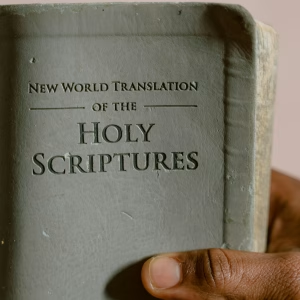



This verse sets a fundamental principle: forgiveness is reciprocal. The willingness to forgive others is tied to our relationship with God.
2. Ephesians 4:32 (NIV)
“Be kind and compassionate to one another, forgiving each other, just as in Christ God forgave you.”
Here, Paul emphasizes the importance of kindness and compassion in our interactions, urging us to forgive as Christ forgave us.
3. Colossians 3:13 (NIV)
“Bear with each other and forgive one another if any of you has a grievance against someone. Forgive as the Lord forgave you.”
This passage reminds us that forgiveness should be a regular practice in our lives, not just a one-time event.
4. Luke 6:37 (NIV)
“Do not judge, and you will not be judged. Do not condemn, and you will not be condemned. Forgive, and you will be forgiven.”
In this verse, Jesus teaches that withholding judgment and condemnation is integral to maintaining a forgiving heart.
Examples of Forgiveness in the Bible
The Bible is filled with compelling stories of forgiveness that illustrate its importance:
Joseph and His Brothers (Genesis 45:1-15): Joseph, sold into slavery by his brothers, ultimately forgives them when they seek his help during a famine. His forgiveness leads to reconciliation and healing for his family.
The Prodigal Son (Luke 15:11-32): This parable tells the story of a son who squanders his inheritance but is graciously welcomed back by his father. The father's willingness to forgive showcases unconditional love.
Jesus on the Cross (Luke 23:34): Even as He was crucified, Jesus asked for forgiveness for those who were executing Him—teaching us the ultimate lesson of grace.
How to Practice Forgiveness in Daily Life
Forgiveness is often easier said than done, especially when wounds feel deep. Here are some practical steps to incorporate forgiveness into your life:
Acknowledge Your Feelings: Understand what you are feeling—anger, betrayal, hurt—and allow yourself to process those emotions.
Reflect on the Impact of Holding Grudges: Think about how harboring resentment affects your mental and physical health.
Choose to Forgive: Make a conscious decision to forgive—not for the other person but for your own peace of mind.
Pray for Strength: Ask God for the strength and guidance to help you truly forgive.
Visualize the Process: Picture yourself letting go of the hurt, as if you are releasing a balloon into the sky.
Seek Reconciliation If Possible: If it feels safe and appropriate, consider reaching out to the person to express your feelings and initiate a dialogue.
Practice Self-Forgiveness: Don’t forget that forgiving yourself is just as important. Acknowledge your mistakes, learn from them, and move forward.
Conclusion
Forgiveness is a profound act that holds the power to heal, transform relationships, and nurture our spiritual growth. The Bible serves as both a guide and a source of comfort, illustrating God's unwavering invitation to forgive as He forgives us. By incorporating the principles and verses presented in this post into your daily life, you will not only find peace for yourself but also foster deeper, more meaningful relationships with those around you.
Let us strive to embody the spirit of forgiveness, ensuring that we walk in love, understanding, and compassion as we navigate the complexities of our relationships. After all, as the saying goes, “To err is human; to forgive, divine.”