The topic of sorcery and witchcraft has puzzled many throughout history, echoing through the pages of literature, myth, and religious texts. Among the most influential of these texts is the Bible, which presents clear perspectives on these practices. While modern interpretations may vary, the scriptural context gives us valuable insights into the spiritual dimensions surrounding sorcery and witchcraft. In this blog post, we will explore key Bible verses related to these practices, reflect on their meanings, and discuss their relevance in today's world.
understanding-the-biblical-context">Understanding the Biblical Context
The Bible mentions sorcery and witchcraft in several passages, generally condemning the practices as contrary to God’s commandments. These references often serve as warnings against straying from faith and relying on supernatural forces rather than divine guidance.
What Does the Bible Say About Sorcery?
Sorcery is often associated with the exertion of supernatural power through magical or occult practices. Here are some key verses that highlight the biblical stance on sorcery:
Exodus 22:18: "You shall not permit a sorceress to live."
Related Posts:
- This verse reflects the seriousness with which sorcery was viewed in ancient Israelite culture. It emphasizes a zero-tolerance policy towards practices believed to undermine faith in God.
Deuteronomy 18:10-12: “There shall not be found among you anyone who burns his son or his daughter as an offering, anyone who practices divination or tells fortunes or interprets omens, or a sorcerer or a charmer or a medium or a necromancer or one who inquires of the dead. For whoever does these things is an abomination to the Lord."
- Here, sorcery is grouped with other abominable acts. This warning serves the purpose of maintaining spiritual purity among the people of Israel.
Galatians 5:19-21: “Now the works of the flesh are evident: sexual immorality, impurity, sensuality, idolatry, sorcery, enmity, strife, jealousy, fits of anger, rivalries, dissensions, divisions, envy, drunkenness, orgies, and things like these.”
- In the New Testament, sorcery is listed among the actions that disconnect individuals from the Kingdom of God, indicating that such practices are rooted in a life out of alignment with God’s will.
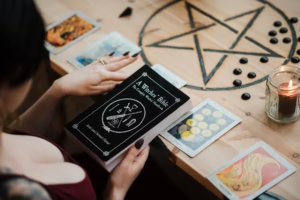
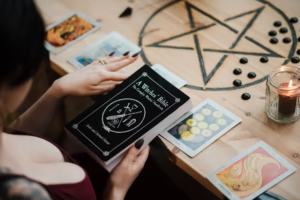
Witchcraft: A Closer Look
Witchcraft, like sorcery, is portrayed negatively in the Bible, often associated with manipulation and evil forces. The scripture reflects deep-seated concerns regarding the influence of these practices on the community and individual faith.
Significant Verses on Witchcraft
1 Samuel 15:23: “For rebellion is as the sin of divination, and presumption is as iniquity and idolatry.”
- This verse underscores how witchcraft and rebellion against God’s commands are intrinsically linked, showing the serious spiritual consequences of turning away from divine law.
Isaiah 8:19: “And when they say to you, ‘Inquire of the mediums and the necromancers who chirp and mutter,’ should not a people inquire of their God? Should they inquire of the dead on behalf of the living?”
- Isaiah here critiques the act of seeking guidance from sources other than God, encouraging listeners to trust in divine wisdom rather than the occult.
Modern Interpretations and Implications
In a contemporary context, the understanding of sorcery and witchcraft can vary widely. Some might view them as mere folklore or misunderstood cultural practices. However, many still adhere to a biblical perspective that sees these activities as spiritually dangerous.
Key Takeaways for Today
Spiritual Protection: Engaging in practices associated with sorcery and witchcraft can open individuals to spiritual dangers. The scriptures encourage believers to seek protection through faith and prayer rather than through external means.
Cultural Awareness: Understanding the biblical view can foster a deeper awareness of modern practices that may echo ancient traditions of sorcery and witchcraft. Discerning these influences is crucial for spiritual health.
Community Vigilance: Communities are encouraged to uphold spiritual values, supporting one another in resisting practices that could undermine faith. Encouraging open discussions about these topics can deepen understanding and promote unity.
Conclusion
Sorcery and witchcraft, as presented in the Bible, are not merely ancient relics but concepts with real implications for today's spiritual landscape. By exploring these verses, we gain valuable insights into what God expects from us in our faith journey. Whether through warnings against such practices or affirmations of God's sovereignty, the Bible calls us to a life of faithfulness and reliance on divine guidance.
By understanding the weight of these scriptural messages, we can better navigate our modern world, grounded in faith and wisdom, steering clear of temptation and spiritual peril. Embracing the teachings of scripture equips us to lead lives that are not only faithful but also fulfilling in the fullness of God’s truth.